

New York, December 09, 2025
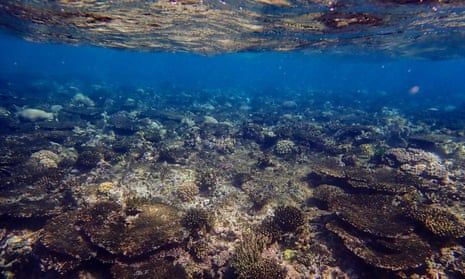
Caribbean coral reefs have lost approximately 48% of their hard coral cover since 1980 due to a combination of rising ocean temperatures, bleaching events, disease outbreaks, overfishing, and pollution, posing severe threats to regional biodiversity, coastal protection, and economies.
Significant coral decline over four decades
The Caribbean region’s reefs have experienced nearly half of their hard coral structures vanish since 1980. This decline is primarily driven by climate-related ocean warming, which causes heat stress and coral bleaching when sea temperatures rise just 2 to 4 degrees Fahrenheit above normal levels. Bleaching events, especially large-scale episodes escalating since the 1980s and intensifying in recent years, have weakened coral colonies across vast areas.
Disease and local human impacts compound the crisis
An initial collapse in the early 1980s followed a sea urchin die-off that allowed algae to dominate reef surfaces. This was accompanied by widespread coral diseases including black band, white band, and white plague, further reducing live coral cover. Additional local stressors such as sewage pollution, sedimentation from coastal development, and overfishing have deteriorated water quality and disrupted reef ecosystems, undermining their resilience.
Key coral species at critical risk
Among the hardest hit are vital reef-building species like elkhorn (Acropora palmata) and staghorn (Acropora cervicornis), which have declined over 90% and are now classified as critically endangered. Their loss diminishes the physical structure of reefs, weakening natural coastal barriers that protect shorelines from storms and erosion.
Broader environmental and economic consequences
The degradation of these reefs threatens marine biodiversity, impacting fish populations and other marine life that rely on coral habitats. Coastal communities face heightened vulnerability to storm damage without the protective functions reefs provide. Furthermore, industries dependent on reef tourism and fisheries face economic decline tied directly to coral reef health.
Recent heatwaves exacerbate losses despite restoration attempts
Catastrophic bleaching events like those recorded in 2023 have led to coral nurseries losing up to 90-95% of their colonies, underscoring the ongoing severity of thermal stress. Restoration efforts have struggled to keep pace with these losses, highlighting the limits of current interventions.
Conservation efforts and protection gaps
Efforts to protect Caribbean reef ecosystems emphasize reducing local stressors, safeguarding mangroves, and advancing coral restoration strategies. However, only a small fraction of vulnerable coral reefs and associated mangroves receive comprehensive protection, emphasizing an urgent need to expand conservation measures and enforce sustainable practices.
Without decisive global action to mitigate climate change and intensified local management, Caribbean coral reef decline is expected to continue, threatening both ecological integrity and the livelihoods of millions reliant on these ecosystems.