

New York, December 09, 2025
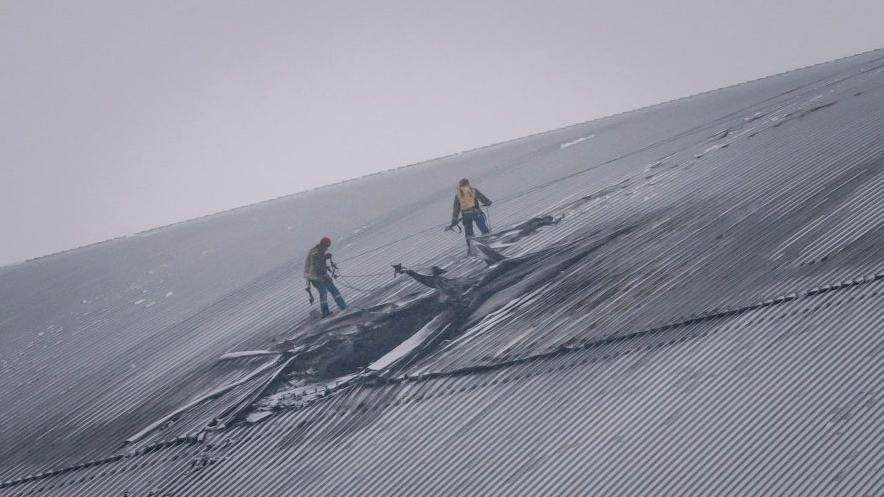
A drone strike on February 14, 2025, severely damaged the New Safe Confinement structure protecting the Chernobyl nuclear plant in Ukraine, causing it to lose its primary safety function and raising urgent calls from the IAEA for full restoration to prevent future radioactive hazards.
Damage to Chernobyl Containment Shield
The International Atomic Energy Agency (IAEA) reported that the protective steel dome, known as the New Safe Confinement, suffered significant structural damage from a drone carrying heavy explosives. This damage has compromised the containment’s ability to securely isolate radioactive materials from Reactor 4, which exploded in 1986.
No immediate release of radiation was detected following the strike. However, the IAEA emphasized that the shelter’s compromised state poses serious long-term nuclear safety risks if not fully repaired promptly.
Drone Attack Context and Accusations
The drone attack occurred amid the ongoing Russo-Ukrainian conflict, with Ukraine attributing the strike to Russia, an allegation denied by Moscow. The IAEA has refrained from assigning blame while stressing the increased dangers conflict poses to nuclear facilities in the region.
Although limited temporary roof repairs have been conducted, the agency has called for comprehensive restoration efforts to maintain the integrity of the containment shield.
New Safe Confinement and Its Role
Completed in 2019, the New Safe Confinement structure was engineered to provide a robust barrier over the remains of Reactor 4, the site of the world’s worst nuclear disaster in 1986. Its design aims to prevent the escape of hazardous radioactive material, thereby protecting both local populations and the environment.
This containment plays a vital role in global nuclear safety by ensuring the continued isolation of dangerous radioactive substances.
IAEA Monitoring and International Implications
The IAEA has stationed a permanent team at the Chernobyl site to continuously monitor radiation levels and oversee safety protocols. The agency’s warnings underscore the critical need for international cooperation and timely intervention to prevent further degradation of the damaged shelter.
The incident highlights the risks that armed conflict introduces to nuclear security, underscoring the importance of safeguarding such sites amid geopolitical tensions.
Maintaining the structural integrity of the New Safe Confinement is essential not only for Ukraine’s safety but also for upholding global commitments to nuclear safety and environmental protection. Continued vigilance and coordinated restoration efforts remain crucial to managing the legacy of the Chernobyl disaster.