

New York, November 23, 2025
A Colombian fisherman, Alejandro Carranza, went missing after his vessel was struck by the United States military in the Caribbean Sea in mid-September 2025 during a campaign against suspected drug trafficking. His family disputes the U.S. claim and demands transparency amid broader regional tensions and concerns about civilian safety.
Details of the Incident
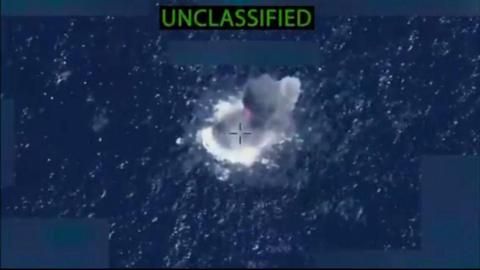
Alejandro Carranza’s boat was engaged by U.S. forces as part of an intensified operation targeting vessels alleged to be operated by narcoterrorist groups along the Caribbean and Eastern Pacific corridors. Footage released by former President Donald Trump publicly identified the boat Carranza was on as one linked to drug trafficking.
The Carranza family asserts the boat was likely adrift due to engine failure and denies any involvement in illicit activities. They remain without information regarding Alejandro’s whereabouts or condition since the strike and have called on the U.S. and Colombian governments for urgent clarity.
U.S. Military Campaign Against Maritime Narcotrafficking
The operation commenced under the Trump administration in September 2025, aiming to disrupt narcoterrorist networks—specifically Colombian guerrilla factions such as the National Liberation Army (ELN) and Venezuelan criminal organizations. The campaign has expanded geographically with numerous engagements resulting in casualties.
While the United States frames these strikes as essential to combating maritime drug trafficking, full evidence supporting the vessels’ illicit status has not been publicly disclosed. The ELN officially denies involvement in drug trafficking related to these operations.
Human and Diplomatic Impact
This incident illustrates the complex human toll embedded in the ongoing U.S. maritime interdiction efforts. Families of those affected, including Carranza’s, highlight difficulties in obtaining transparent information and express concern over potential civilian harm. The strikes have also sparked legal and diplomatic concerns across Latin America, with debates over sovereignty, accountability, and proportionality in military use-of-force at sea.
Balancing Security and Humanitarian Concerns
The Carranza case underscores the delicate balance between pressing national security priorities and ensuring humanitarian protections for innocent maritime workers. It raises urgent questions about operational oversight, evidence standards before lethal action, and mechanisms for addressing grievances of affected communities.
Affected families and regional actors continue to demand comprehensive investigations and public accountability. The unfolding situation points to the need for clearer protocols and cooperation among governments to prevent similar tragedies amid geopolitical tensions in the Caribbean basin.