

Belém, November 20, 2025
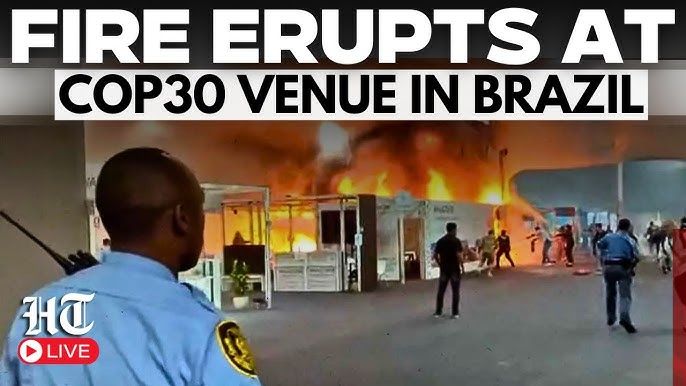
A fire erupted shortly before 2 p.m. local time on November 20 at the COP30 climate conference venue in Belém, Brazil, triggering the evacuation of delegates, media, and conference participants from the health and science pavilion, where United Nations climate negotiations were taking place.
Fire Incident and Evacuation
The blaze was reported within the health and science pavilion of the COP30 conference site during the penultimate day of the talks. Prompt evacuation protocols were activated as smoke and flames spread, forcing delegates and journalists, including those working in the media center, to exit rapidly. Authorities confirmed no immediate casualties, but the incident caused significant disruption to the event’s schedule.
COP30 Conference Background
COP30 represents a critical stage in global climate diplomacy, hosting annual negotiations coordinated by the United Nations. The conference’s first week concluded with generally constructive discussions, although pivotal agreements on emissions reductions and global fossil fuel phase-out remained unresolved. Delegates were poised to intensify talks in the days ahead to finalize essential climate action commitments.
Symbolism Amid Wildfire Discussions
The fire’s outbreak at COP30 holds considerable symbolic significance given the conference’s concurrent emphasis on wildfire prevention. Earlier in the talks, dozens of governments and organizations pledged $100 million by 2030 specifically to enhance wildfire monitoring and prevention efforts, particularly targeting the Amazon region. This initiative responds to alarming wildfire trends, with over 3.7 million square kilometers burned worldwide between March 2024 and February 2025, releasing nearly 9% more carbon emissions than the two-decade average.
Impact on Proceedings
The evacuation interrupted critical discussions on a day when negotiators aimed to drive forward measures vital for stabilizing global temperatures and accelerating climate finance. The disruption underscores both the challenges and urgency inherent in global climate governance at a time when the physical risks of climate change, including wildfires, are increasingly evident.
As COP30 resumes, the resilience of the conference framework and the determination of participating countries to advance meaningful commitments will be closely watched by policymakers, business leaders, and the international community alike.