

New York, December 02, 2025
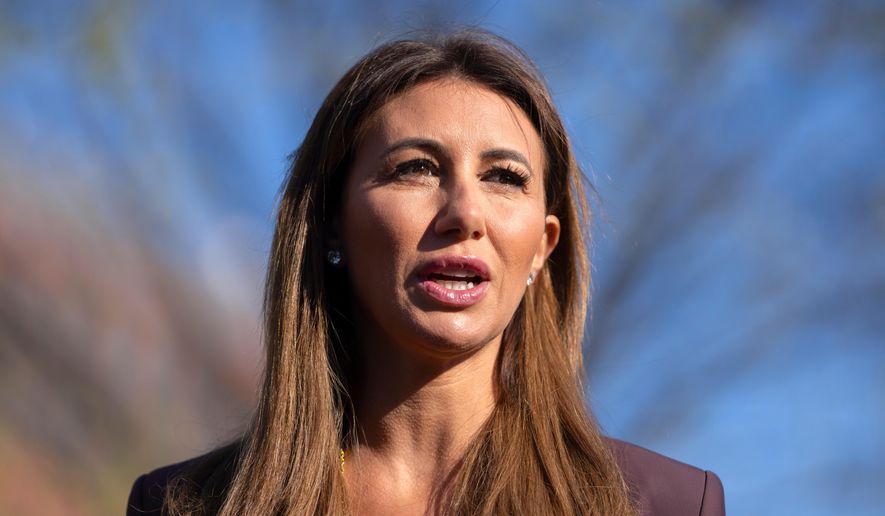
A panel of the 3rd U.S. Circuit Court of Appeals upheld the disqualification of Alina Habba, former personal lawyer to Donald Trump, from serving as the top federal prosecutor in New Jersey. The ruling concluded that her appointment through non-traditional means was legally invalid, raising questions about the authority of cases she oversaw.
Court Ruling and Appointment Flaws
The bipartisan panel, comprising judges appointed by both George W. Bush and Barack Obama, ruled that the Trump administration’s multistep appointment process for Habba bypassed established Senate confirmation and district court selection procedures. This flawed process, the court found, undermined her legal authority to serve as U.S. Attorney in New Jersey.
Broader Legal and Political Context
This decision is part of a wider series of legal challenges targeting prosecutors appointed during the Trump administration. Similar cases in districts such as Virginia and New York have resulted in the removal of Trump-appointed prosecutors and the subsequent dismissal of politically sensitive indictments. These developments reflect increasing judicial scrutiny over executive appointments that circumvent traditional confirmation channels.
Implications for Ongoing Cases
While the ruling invalidates Habba’s appointment, it does not automatically dismiss ongoing federal indictments in New Jersey. Some cases were also signed by career prosecutors, preserving their standing. Nonetheless, the ruling casts uncertainty over the legitimacy of prosecutions initiated under Habba’s authority.
Next Legal Steps and Appeals
The Trump administration may seek to appeal the decision to the Supreme Court. A related case involving John Sarcone III, another Trump nominee for the Northern District of New York, is set for oral arguments on Thursday, signaling continued judicial examination of controversial appointments.
Significance of the Decision
The appeals court’s ruling underscores persistent tensions concerning executive power, the independence of federal prosecutors, and the legal limits of politically motivated appointments within the U.S. justice system. It highlights the judiciary’s role in maintaining checks and balances on appointment protocols amid a politically charged environment.