

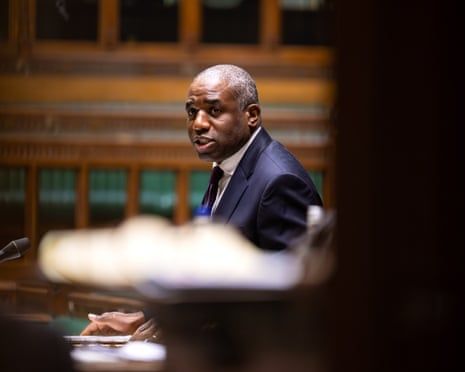
London, December 08, 2025
David Lammy has proposed restricting jury trials in the UK for most criminal cases to address an extensive court backlog exceeding 78,000 cases, aiming to restore timely justice for victims and overhaul the justice system by 2029.
Background and Proposal Details
Labour MP David Lammy presented a controversial plan in Parliament to limit jury trials to the most serious offenses—rape, murder, and aggravated burglary. Citing a paralysis in the court system, Lammy highlighted that many defendants face trial dates delayed until as late as 2029. This delay, he argues, constitutes a denial of justice, particularly impacting victims forced to wait years for resolution.
His reform proposal excludes jury trials for offenses that carry sentences of less than three years, shifting these cases to judge-only trials within a newly envisaged “swift court” framework. The objective is to streamline court proceedings by sidestepping the complexities inherent in jury trials, thereby reducing the backlog and accelerating the delivery of justice.
Historical Rights and Controversy
The right to a trial by jury is a legal cornerstone in the British justice system, with roots tracing back to the Magna Carta. Lammy acknowledges this fundamental historic right but contends that systemic delays cause greater harm than restricting jury trials in most cases. Despite presenting measures to increase court sitting days and judicial resources, Lammy maintains that limiting jury trials is an essential element of the broader reform to prioritize victims’ rights and address backlog pressures.
Opposition and Criticism
Lammy’s proposal has drawn substantial criticism from legal professionals, opposition politicians, and civil liberties advocates. Critics argue that the backlog and delays are consequences of systemic underfunding and inefficiency rather than the trial format. They warn that sidelining juries risks undermining fairness, transparency, and the protection against miscarriages of justice, which the jury system historically safeguards.
Opponents call for investment in the judicial infrastructure—hiring more judges, improving court resources, and streamlining processes—rather than curtailing jury trials. The dispute reflects broader tensions between maintaining traditional legal protections and adapting to modern operational challenges.
Implications and Systemic Shift
If enacted, Lammy’s proposal would mark a significant shift in the UK’s criminal justice structure. The system would increasingly resemble continental European models that rely more heavily on judge-centric trials. While this may yield speed and efficiency gains, it raises complex questions about balancing swift justice with safeguarding defendants’ rights and maintaining public confidence.
Looking Ahead
The debate over jury trial reform in the UK underscores the urgent need to resolve the court backlog while preserving the integrity of the justice system. As policymakers, legal experts, and stakeholders engage in this contentious issue, the outcomes may redefine the trajectory of criminal trials and victims’ rights in the country for years to come.