

Eindhoven, November 23, 2025
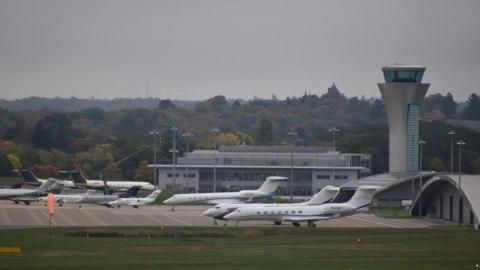
Multiple drone sightings near the runway at Eindhoven Airport led to a suspension of all air traffic on the evening of November 22, 2025, as Dutch authorities responded urgently to protect civilian and military flights amid security concerns. The origin of the drones remains unknown, prompting ongoing investigations.
Incident and Immediate Response
On November 22, Eindhoven Airport, a dual-use facility serving both civilian and military operations, suspended air traffic after multiple drones were spotted near the runway. The temporary closure aimed to prevent any risk to flights while security protocols were activated. Dutch Defense Minister Ruben Brekelmans confirmed the halt in operations, emphasizing readiness of counter-drone measures.
Earlier that day, Dutch military personnel reportedly engaged drones detected above the Volkel airbase, located approximately 25 to 40 kilometers northeast of Eindhoven. The use of weapons at Volkel caused the drones to temporarily disappear, illustrating the escalating tension and military response readiness to mitigate threats.
Security Implications and Context
The incursion at Eindhoven Airport has raised significant security concerns due to its role as a combined civilian and military hub. Authorities are considering possibilities such as espionage or sabotage, underlying fears that these drone operations could represent actors employing hybrid warfare tactics targeting critical European infrastructure.
These concerns emerge amid a series of recent drone disruptions across Europe, including reported incidents near Munich Airport in Germany and within Eastern European airspace. European Commission President Ursula von der Leyen has characterized these activities as elements of hybrid warfare, highlighting the broader geopolitical implications.
Investigations and Future Measures
Dutch defense authorities and law enforcement agencies are conducting thorough investigations into the incidents at Eindhoven and Volkel. While the exact source of the drones remains undetermined, government officials have indicated a firm commitment to deploying necessary military countermeasures to prevent further airspace incursions.
The events underscore persistent challenges faced by European nations in securing sensitive airspace, especially near facilities of strategic military importance. The collaboration between civilian and defense sectors will be critical in enhancing detection and response capabilities as similar drone threats continue to emerge.
This episode adds to the growing urgency for comprehensive drone regulation and advanced counter-drone technologies to safeguard vital transportation and defense infrastructure throughout Europe.