

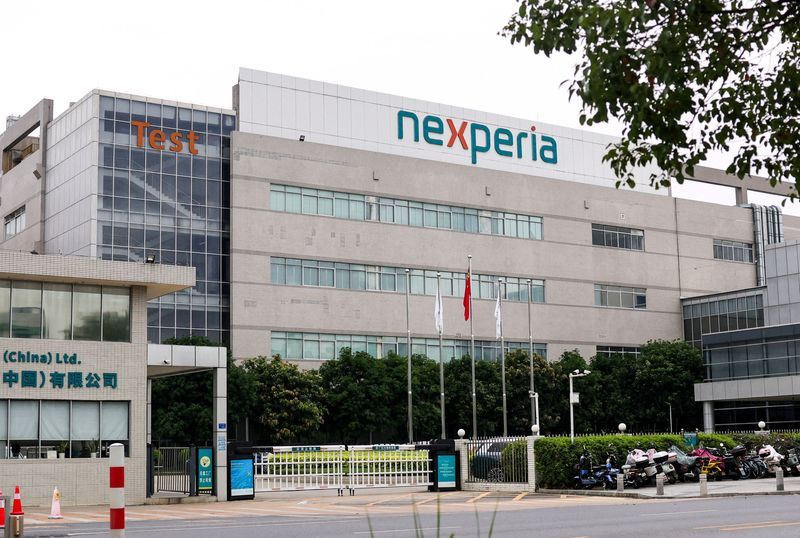
London, November 23, 2025
The Dutch government has suspended its intervention aimed at taking control of Nexperia, a key European semiconductor manufacturer, following a court ruling that revoked the executive order justifying the move on national security grounds. This decision emerges amid an ongoing legal dispute with Nexperia’s Chinese parent company Wingtech Technology and concerns over foreign ownership risks.
Dutch Government Suspends Nexperia Intervention
The suspension follows the Dutch Enterprise Chamber’s revocation of an executive order that had empowered the government to block Wingtech’s control over Nexperia’s Dutch operations. This legal setback has caused Dutch authorities to pause any enforcement actions as the matter advances through the courts. The decision marks a critical moment in a prolonged intervention effort initiated to address perceived threats linked to foreign ownership.
Nexperia’s Strategic Role and Ownership
Nexperia is a vital supplier of semiconductors to the automotive and industrial sectors, underpinning essential European and global supply chains. The company is owned by Wingtech Technology, a Chinese firm, which has drawn scrutiny over potential risks to critical infrastructure and technology sovereignty in Europe.
Initial Intervention Rationale
In 2023, the Dutch government invoked national security concerns to block Wingtech from exercising full control over Nexperia’s operations in the Netherlands. The intervention reflected fears that Chinese ownership could compromise supply chain stability and expose strategic technologies to foreign influence.
Legal Challenge and Wingtech’s Response
Wingtech has contested the intervention vigorously, pledging to employ “all legal means” to regain full control. Legal experts indicate that the dispute could last for as long as three and a half years, underscoring the complexity and high stakes involved. The recent court ruling invalidating the Dutch order has intensified the uncertainty surrounding Nexperia’s future governance.
Broader Geopolitical and Economic Context
The Nexperia case is emblematic of escalating European concerns about foreign investment in critical technology sectors, especially involving Chinese entities. It highlights the increasing tension between maintaining open markets and enforcing economic nationalism to safeguard national security interests. Policymakers across Europe are closely monitoring developments as they reassess frameworks governing foreign ownership.
Impact on Supply Chains and Industry Stakeholders
The suspension of intervention leaves Nexperia’s operations in the Netherlands and China in a state of flux, raising alarms among global automakers and electronics manufacturers that depend on stable chip supplies. Any prolonged uncertainty risks disrupting production timelines and the broader semiconductor supply chain.
Setting a Precedent for Future European Policies
This unfolding legal and political battle sets a significant precedent for how Europe may regulate foreign control over critical industries. The outcome will likely influence future policies aimed at bolstering European chip sovereignty and tightening scrutiny over cross-border investments in strategic technology firms.
The Dutch government’s suspension signals only a temporary pause rather than a final resolution. The ongoing legal and diplomatic contest over Nexperia’s ownership is poised to remain a focal point in the intersection of technology, security, and international relations for months ahead.