

London, November 23, 2025
Electric vehicle owners in the United Kingdom and the United States will face significant tax changes starting in 2025, with new road tax rates and surcharges in the UK and the expiration of federal EV tax credits in the US. These reforms aim to balance government budgets amid shifting transportation policies and declining fuel tax revenues.
UK Electric Vehicle Tax Changes in 2025
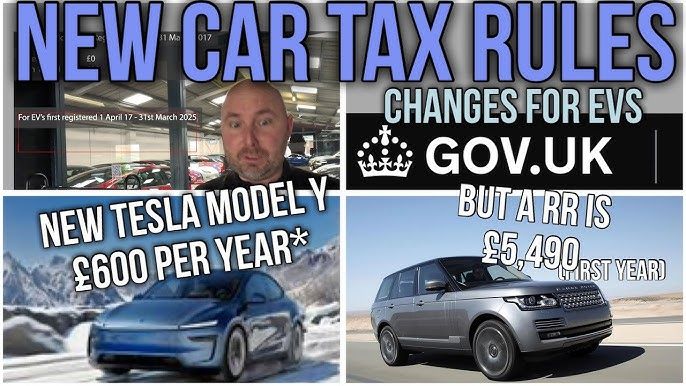
From April 1, 2025, electric vehicles (EVs) in the UK will no longer be exempt from Vehicle Excise Duty (VED). New EVs registered after this date will pay £10 in their first year and £195 annually thereafter. Existing EVs registered between April 2017 and March 2025 will transition to the standard £195 annual rate. Older EVs, registered before April 2017, will incur a £20 yearly charge.
Electric vans and light commercial EVs will face a standard annual tax of £335. Additionally, an Expensive Car Supplement will apply to new EVs costing more than £40,000, adding £425 per year for ownership years two through six. Plug-in hybrids, which previously benefited from reduced tax rates, will be taxed on par with petrol and diesel vehicles.
US Federal and State-Level EV Tax Adjustments
In the United States, the federal government’s One Big Beautiful Bill Act, passed in 2025, ends the current federal clean vehicle tax credits after September 30, 2025. Consumers will no longer be eligible for up to $7,500 in credits for new EV purchases or up to $4,000 for used EVs. These credits were contingent on strict sourcing requirements, price caps, and income limits.
At the state level, several proposals aim to introduce or increase annual registration fees for EVs and hybrids to recoup lost gasoline tax revenues. For example, some states are considering fees of around $250 per year for EVs and $100 for hybrids as part of broader budget reconciliation measures.
Budget Implications and Policy Rationale
Both the UK and US changes reflect efforts to address budget shortfalls due to declining fuel tax income as EV adoption rises. The UK’s removal of the zero-emission vehicle exemption and addition of an Expensive Car Supplement target higher-value vehicles to ensure equitable contributions toward road maintenance and public services.
In the US, phasing out federal incentives signals a policy shift to mature the EV market and reduce dependence on government subsidies. Proposed state fees seek to fairly distribute transportation funding responsibilities among all vehicle owners, regardless of fuel type.
Broader Impact and Market Considerations
Starting in 2025, EV owners in both countries will incur higher taxation levels and face diminished consumer subsidies. This marks a major policy shift likely to affect EV affordability and purchase decisions. The ending of US federal credits could slow EV adoption unless replaced by alternative incentives.
These tax reforms illustrate a broader governmental trend to realign taxation frameworks with evolving transportation and environmental goals, balancing support for electrification with fiscal sustainability. The introduction of luxury surcharges and annual fees signals an alignment of EV taxation with that of traditional internal combustion engine vehicles.
Ongoing Developments to Monitor
Moving forward, more US states may enact EV registration fees, and governments worldwide might emulate similar tax adjustments as electric vehicle adoption grows. Policymakers and industry observers should watch for potential new incentives aimed at low-income buyers or specific vehicle categories.
These tax and budget changes will play a pivotal role in shaping the pace and nature of the global transition to electric transportation in the coming years.