

London, December 09, 2025
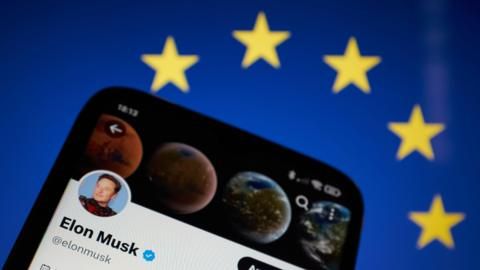
Elon Musk’s social media platform X has banned the European Commission from placing advertisements in response to a €120 million fine imposed on X for deceptive verification practices and lack of transparency, cutting off a key public communication channel in Europe.
Advertising Ban and Communication Impact
The ban restricts the European Commission from using X’s advertising services, effectively limiting the institution’s ability to communicate with European citizens on a widely used digital platform. This move follows the fine, which was levied due to the controversial operation of X’s “blue check” verification system. Critics warn that blocking the Commission curtails an important tool for government-to-public interaction and could undermine transparency.
Background on the Fine
The European Commission’s €120 million penalty was imposed after investigations concluded that X engaged in misleading verification practices, presenting users with a verification system lacking clear criteria and transparency. The Commission contended that this practice deceived users about the authenticity and credibility of accounts on the platform.
Concerns Over Corporate Power and Transparency
Musk’s decision to prohibit the Commission from purchasing ads has stirred debate about the concentration of power in corporate social media platforms. Observers argue that a single individual controlling a major digital public square poses risks to democratic discourse and institutional transparency. The incident highlights the growing tension between centralized private platforms and public entities seeking open engagement.
European Commission’s Alternative Strategies
In response to the ban, the European Commission has pursued alternative communication channels to reach citizens. It operates its own instance on Mastodon, a decentralized social network, as part of an effort to promote “social sovereignty”—a model supporting public communication free from corporate platform control.
This development underscores broader challenges in the digital era concerning who controls public communication spaces and how governments can maintain direct dialogue with their constituencies amid evolving social media landscapes.