

London, December 10, 2025
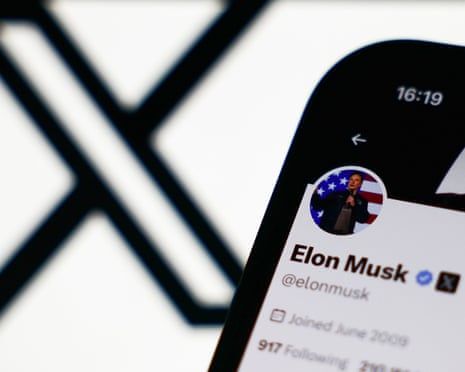
Elon Musk’s social media platform X has banned the European Commission from placing advertisements following a €120 million fine imposed by the EU for breaches of the Digital Services Act, highlighting escalating regulatory tensions over transparency and user protection.
EU Penalty and Ad Ban on X
The European Union fined X, formerly known as Twitter, €120 million (roughly $140 million) for multiple violations of the Digital Services Act (DSA). In response, the platform has prohibited the European Commission from running any ads on its service. The fine addresses three primary breaches on X: deceptive blue check mark verification practices, failures related to advertisement transparency, and obstructing researcher access to platform data.
Breakdown of the Fine
The total €120 million fine is split into three components: €45 million targets the deceptive issuance of verified badges (blue check marks), €35 million covers inadequate transparency in the platform’s ad repository, and €40 million penalizes the deliberate hindrance of independent researchers’ data access. These measures are part of the EU’s effort to enforce user protection and increase transparency in digital services.
Elon Musk’s Response & Political Implications
Elon Musk condemned the EU fine as a “personal attack,” accusing regulators of targeting X due to its free speech-oriented policies and implying that political motives underlie the enforcement action. Musk has maintained that his platform upholds global control without concessions and is supportive of free speech advocates. He also indicated preparations for legal challenges in response to the fine.
EU’s Intensified Regulatory Approach
Beyond the current fine, the EU has considered additional sanctions against X, including suspending the platform’s ability to throttle access or banning ads during politically sensitive periods. These prospective restrictions reflect heightened scrutiny and a stricter regulatory regime for tech platforms in Europe, aiming to uphold democratic integrity and transparency.
Context of the Digital Services Act
The Digital Services Act represents a comprehensive EU regulatory framework focused on ensuring tech companies are accountable for content moderation, advertisement transparency, and user data accessibility. This law marks a significant shift in European digital policy, seeking to protect consumers and promote fairness in online ecosystems. X’s clashes with the DSA underscore ongoing challenges faced by global platforms adapting to rigorous compliance standards.
The unfolding regulatory standoff between X and European authorities is emblematic of broader tensions in global digital governance. As negotiations and potential legal battles proceed, this episode may set important precedents for how tech companies balance platform policies with regulatory accountability.