

London, December 06, 2025
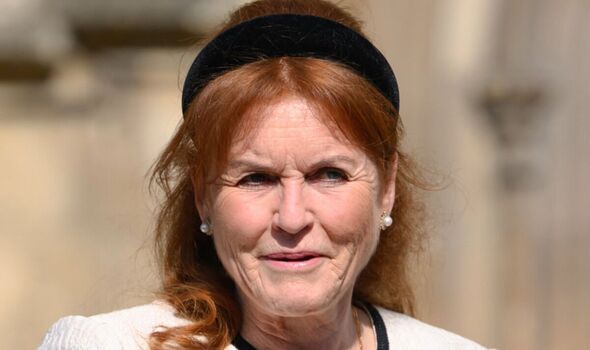
A UK-based social networking app, vVoosh, backed by Sarah Ferguson, the Duchess of York, has failed after receiving over £1 million in taxpayer funding, culminating in the company entering administration due to its inability to launch a viable product.
Public Funds and Endorsement
vVoosh, a mobile app supported publicly by Sarah Ferguson in the capacity of an ambassador, secured more than £1 million in funding through UK government innovation and small business support schemes. The founder, Manuel Fernandez, a long-time acquaintance of Ferguson, was behind the venture. Despite significant public investment, the company did not produce a functioning app and has now become insolvent under administration proceedings.
App Description and Objectives
Marketed as a social networking and lifestyle application, vVoosh aimed to connect users with local events, experiences, and influencers. The platform was positioned to offer a unique user interface for lifestyle engagement but failed to develop a tangible product prior to its collapse.
Public and Political Reactions
The failure has ignited debate over the stewardship and allocation of public funds allocated to innovative businesses. Critics have raised concerns about the role of celebrity endorsements like Ferguson’s in securing taxpayer support, questioning whether sufficient due diligence was conducted before grants exceeding £1 million were awarded.
Broader Implications for Accountability and Reputation
This case underscores risks government schemes face when allocating funds to ventures with celebrity involvement but limited operational track records. For Sarah Ferguson, the incident marks another high-profile business setback, amplifying scrutiny regarding her association with ventures that do not deliver promised results. It also highlights ongoing issues regarding accountability when public money is invested without clear returns.
Current Status and Possible Investigations
vVoosh is currently in administration, managed by an appointed insolvency practitioner, effectively marking the end of the company’s operations. Authorities overseeing the original grants may conduct reviews or investigations into the use of taxpayer funds, although no formal inquiries have yet been announced.
The collapse of vVoosh spotlights the challenges faced by public funding mechanisms in balancing innovation support with fiduciary responsibility. It presents a cautionary example for policymakers and business stakeholders on the importance of stringent oversight, particularly in ventures leveraging celebrity endorsements to attract government funding.