

London, December 09, 2025
Nigel Farage has publicly responded to recent allegations of racist comments from his school years, denying all accusations, demanding an apology from the BBC, and emphasizing the importance of due process to counter what he describes as politically motivated attacks.
Farage’s Response to Allegations
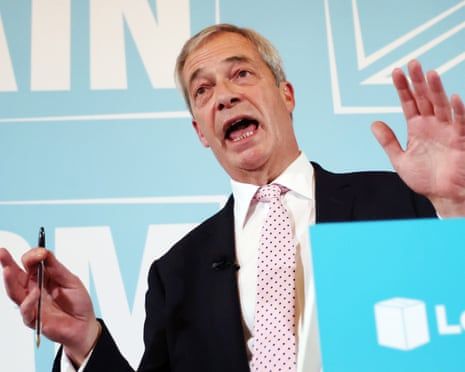
Nigel Farage, leader of Reform UK, held a recent press conference addressing claims concerning past racist remarks allegedly made during his school days. Farage categorically rejected the allegations and accused the BBC of biased reporting, demanding a formal apology for what he described as unfair media coverage. He stressed that any investigation must adhere to proper due process, framing the accusations as politically driven efforts to undermine him.
Populist Communication Style
Observers note that Farage’s strategy mirrors the populist playbook prominently associated with former U.S. President Donald Trump. His approach includes aggressively discrediting the media, portraying himself as a victim of a politically motivated smear campaign, and rejecting detailed engagement with the allegations’ substance. This tactic shifts the narrative away from specific claims and instead highlights broader themes of media dishonesty and political persecution.
Through this framing, Farage positions himself as a defender of “the people” against elite establishment forces, contrasting Reform UK’s stance with that of the Conservative Party. Such a narrative strategy aims to consolidate his political base by invoking cultural and political divisions.
Background on Allegations and Political Context
The accusations pertain to comments made during Farage’s schooling, brought to light amid growing scrutiny of public figures’ past statements. While the details of the remarks have not been fully disclosed, the allegations have prompted significant media attention and political debate.
Farage’s emphatic denial and counterattack reflect a broader pattern seen among populist leaders in Western democracies, where accusations of racism or controversy are frequently met with media criticism and claims of victimhood rather than direct acknowledgement.
Implications for Political Trajectory
This incident highlights the ongoing challenges faced by populist politicians who rely on a combative communication style to maintain support. By deflecting criticism through media attacks and victim narratives, Farage is adhering to a communication playbook that has proven effective in past political contexts but may further polarize public discourse.
As these allegations continue to circulate, Farage’s response will likely influence both his standing within British politics and the wider narrative about the role of populism in contemporary political controversies.