

London, December 01, 2025
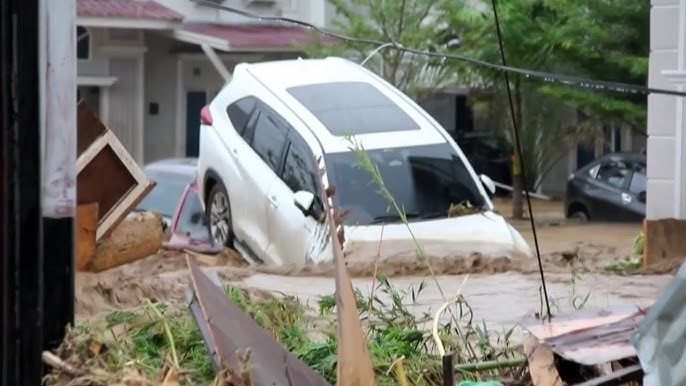
Catastrophic floods and landslides triggered by extreme monsoon rains and tropical storms have claimed over 900 lives across Southeast Asia in recent weeks, displacing hundreds of thousands and prompting extensive rescue operations in five affected countries.
Regional Impact and Casualties
Indonesia has suffered the most severe losses, with the island of Sumatra hit hardest. Cyclone Senar induced massive flooding and landslides, resulting in 435 confirmed deaths and 406 still missing. Nearly 148,000 Indonesians have been displaced as emergency services battle to contain the disaster’s fallout.
Sri Lanka faces a devastating toll as well, with 334 fatalities reported and over one million people directly impacted. The scale of destruction has led the government to declare a state of emergency. More than 20,000 troops have been deployed nationwide, and international aid, including support from India’s air force, has been accepted to bolster relief efforts.
In Thailand, 162 deaths have been documented amid widespread devastation. The southern city of Hat Yai experienced the highest rainfall in 300 years—335 millimeters in a single 24-hour period—causing floodwaters to rise over eight feet. This extreme flooding trapped hospital staff, residents, and 30 newborn babies, compounding earlier flood damage and fatalities across northern and central regions.
Vietnam’s central provinces have endured severe flooding stretching over 500 miles, with 91 deaths and 11 missing persons. The hardest-hit area, Dak Lak, accounts for 63 fatalities, primarily from drowning. Economic damages in this latest event are estimated to exceed half a billion dollars.
Malaysia reported large-scale evacuations, particularly in the northeastern state of Kelantan. More than 12,500 residents across nine states were moved to safety through 86 temporary shelters as authorities worked to mitigate further harm.
Rescue Operations and Ongoing Challenges
Across the region, rescue teams confront formidable obstacles. Floodwaters and landslides have washed out roads, forcing reliance on helicopters for delivering supplies and evacuating stranded individuals. Lifeboats are being used extensively to navigate submerged urban areas, rescuing both local residents and international tourists from Australia, Britain, and South Africa.
Despite these efforts, hundreds remain missing. Officials caution that water levels may continue to rise as rainfall is forecast to persist in the coming days. A newly forming tropical depression threatens to exacerbate the situation, raising concerns about further casualties and destruction.
Aid agencies emphasize the urgency of sustained international support and coordinated response to address the humanitarian crisis unfolding across Southeast Asia. The scale of damage to infrastructure, agriculture, and communities underscores the long-term recovery challenges ahead as floodwaters recede but the threat of renewed storms looms.
This catastrophic event marks one of the most severe natural disasters in the region in recent decades, highlighting vulnerabilities to climate extremes and the critical need for adaptive strategies to protect populations and economies in Southeast Asia.