

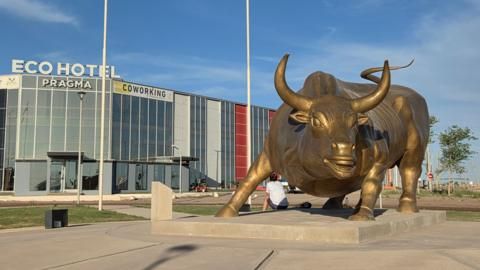
Neuquén, November 28, 2025
Argentina has experienced a significant surge in oil and gas production in 2025, driven predominantly by hydraulic fracturing operations in the Vaca Muerta shale formation. This development is reshaping the country’s energy landscape, promising economic growth and regional export potential while raising serious environmental and social challenges.
Economic and energy expansion
Argentina’s unconventional oil and gas production has hit a 21-year high, with Vaca Muerta—a shale formation spanning Neuquén, Mendoza, Río Negro, and La Pampa—emerging as the epicenter. The deposit ranks as the world’s second-largest shale gas reserve and fourth-largest for unconventional oil, positioning Argentina to exceed 1 million barrels per day of oil production by 2030. Some forecasts estimate this could reach 1.5 million barrels daily.
A $2.5 billion infrastructure project aims to double the nation’s oil export capacity by late 2026. New pipelines under development will facilitate crucial gas exports to Brazil and support domestic distribution in northern provinces, thereby reducing dependency on imports from Bolivia. These advances signify a shift toward energy self-sufficiency and stronger trade dynamics.
Investment and national benefits
The Vaca Muerta boom has attracted billions of dollars in foreign investment, bolstering Argentina’s GDP, creating employment opportunities, and narrowing the trade deficit. The sector is expected to solidify the country’s stature as a regional energy supplier with growing influence in South American markets.
Environmental and social concerns
Despite economic gains, fracking in Vaca Muerta poses significant risks. Since 2018, over 548 earthquakes linked directly to hydraulic fracturing have been recorded, raising alarms about seismic stability and the potential for structural damage and hazardous spills.
Water use is extensive and disposal of toxic waste remains a contentious issue, with documented cases of illegal dumping and contamination provoking legal actions by environmental groups and affected communities. The region’s exploitation also threatens Argentina’s contribution to climate targets. Experts note that fully tapping Vaca Muerta could consume a considerable portion of the remaining global carbon budget required to limit warming to 1.5°C.
Public health officials warn of contamination pathways that may adversely impact human health, intensifying debates around regulation and sustainability.
Global implications
Argentina’s rise as a major shale producer is transforming South America’s energy landscape. The country is increasingly critical to regional energy security, particularly as a supplier to Brazil. International organizations, environmentalists, and human rights advocates are closely monitoring Vaca Muerta as a test case for managing economic development alongside environmental protection and social justice imperatives.
As Argentina advances its energy ambitions, the tension between leveraging vast natural resources and managing their long-term environmental and societal consequences continues to shape national discourse and international scrutiny.