

Adelaide, December 06, 2025
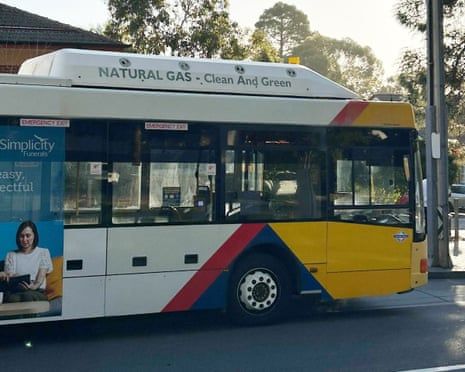
The Australian Competition and Consumer Commission (ACCC) has initiated legal proceedings against Australian Gas Networks (AGN) for disseminating misleading advertising claims that natural gas is “clean and green” in South Australia during 2022 and 2023. The regulator asserts these claims amount to deceptive greenwashing, given the current and foreseeable state of renewable gas supply.
ACCC Allegations and Claims
The ACCC alleges that AGN promoted natural gas as either currently renewable or imminently renewable within a generation, despite knowing such claims were unsubstantiated and economically unrealistic. These advertisements appeared on South Australian buses and other platforms, presenting natural gas as environmentally friendly without sufficient evidence of renewable content or the feasibility to supply it at scale in the near term.
According to the ACCC, AGN’s messaging misled consumers by implying a level of environmental benefit that the gas supply, still overwhelmingly fossil fuel-based, cannot deliver at present. The Commission is seeking to hold AGN accountable for these deceptive claims under consumer protection laws to prevent further public misinformation.
Feasibility Challenges for Renewable Gas in Australia
Current technological and economic conditions make large-scale distribution of renewable gas in Australia unviable. Pilot projects aiming to blend hydrogen into existing natural gas networks remain experimental and produce marginal outputs compared to overall consumption. For instance, a 1.25MW hydrogen blending pilot in Adelaide and a planned 10MW project slated for 2025 demonstrate early-stage efforts but fall far short of supplying a significant proportion of gas demand.
These limitations underscore that widespread transition to renewable gas is distant, contradicting the optimistic timelines suggested in AGN’s advertising. This gap between promotional claims and operational reality is central to the ACCC’s case.
Regulatory Context and Industry Scrutiny
This legal action reflects an intensifying regulatory focus on greenwashing, especially as governments and markets increasingly prioritize genuine climate action. False or exaggerated environmental claims undermine trust and complicate energy transition policymaking by creating confusion about the benefits of fossil fuels or fossil fuel-derived products.
In South Australia and nationally, debates about gas’s role are contentious. Critics argue that natural gas remains a fossil fuel contributing to greenhouse gas emissions and that its promotion as a clean alternative is misleading. The South Australian Premier has faced criticism for allegedly supporting gas industry messaging that downplays these issues while the state’s export of gas contributes to domestic supply constraints, pricing pressures, and energy security concerns.
Public and Expert Perspective on Gas Advertising
Independent experts and consumer advocates support the ACCC’s position that advertising natural gas as “clean and green” is inconsistent with the current scientific and economic understanding. The authoritative regulatory ruling and ensuing lawsuit validate widespread skepticism about the environmental credentials often claimed by portions of the gas industry in Australia.
The controversy further spotlights the tension between legacy fossil fuel infrastructure and the urgent need to transition to truly renewable energy sources for climate goals. Public awareness and scrutiny of corporate environmental claims are key factors driving regulatory responses.
Background and Future Implications
Gas has long been a component of Australia’s energy mix, but its role is increasingly questioned amid climate commitments. Renewable gas technologies, such as biomethane and green hydrogen, are still emerging fields lacking the scale for mainstream substitution. This situation creates legal and reputational risks for suppliers who present fossil gas as environmentally preferable without robust justification.
The ACCC’s lawsuit against AGN serves as a precedent to enforce transparency and accuracy in environmental marketing, thereby influencing how energy companies communicate with consumers and stakeholders. It signals that claims about renewability and environmental impact will face rigorous scrutiny and must be supported by clear evidence.
For policymakers, regulators, and industry leaders, this case highlights the complex challenge of balancing energy supply reliability, economic feasibility, and climate integrity. Continued vigilance against greenwashing is essential to maintaining public trust and advancing Australia’s climate objectives in the energy sector.