

London, December 06, 2025
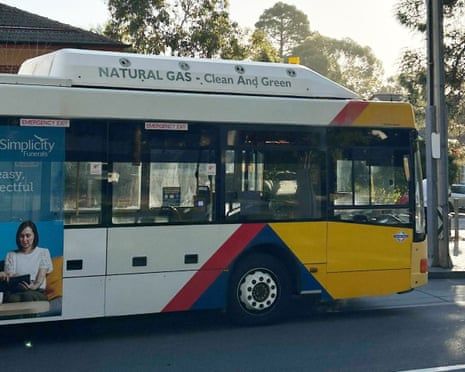
The Australian Competition and Consumer Commission (ACCC) has filed a lawsuit against Australian Gas Networks (AGN) over bus advertisements in South Australia that falsely claimed gas is \”clean and green\” and would become renewable within a generation. The suit, centered on misleading environmental claims made in 2022 and 2023, highlights growing regulatory scrutiny of fossil fuel companies’ marketing practices.
Legal Action Over Misleading Gas Advertisements
AGN’s advertising campaign, branded as “Love Gas,” promoted the idea that gas supplied through its network would soon be renewable and environmentally friendly. The ACCC contests these claims, stating there was no reasonable basis for AGN’s promise that renewable gas would be widely available or economically viable within a generation. According to the regulator, such assertions misled consumers about the environmental benefits of gas, which remains a fossil fuel with significant carbon emissions.
The ACCC emphasizes that the current technological and economic reality does not support large-scale distribution of renewable gas. This misrepresentation has prompted the consumer watchdog to pursue legal action to prevent further misleading conduct in energy marketing.
Context of Renewable Gas in Australia
While renewable gas initiatives exist in South Australia, projects like Hydrogen Park Murray Valley remain in the early development stages. These projects produce limited renewable gas volumes and are not yet feasible for mass market supply or distribution at scale. The ACCC’s position reflects this technological and economic limitation, underscoring the gap between current gas infrastructure and the aspirational environmental claims made by AGN.
Broader Regulatory and Political Environment
This ACCC case forms part of a wider pattern of concern regarding fossil fuel advertising and “greenwashing” in Australia. Regulatory authorities increasingly scrutinize environmental claims by fossil fuel companies, seeking to ensure that consumers receive accurate information.
South Australian and federal politicians have sometimes backed new gas projects, framing gas as a necessary complement to renewable energy sources. However, energy experts challenge these narratives, noting Australia produces more gas than it consumes domestically, and that marketing campaigns often obscure the true environmental impact of fossil fuels.
Regulatory Implications and Industry Impact
The ACCC’s action signals a tightening of oversight around environmental claims in fossil fuel marketing. It confronts the portrayal of gas as a “clean and green” energy source, pressing companies to substantiate claims with credible evidence and realistic timelines.
For business leaders, policymakers, and stakeholders in the energy sector, this development underscores the increasing legal and reputational risks associated with misleading sustainability claims. It also reflects a shifting regulatory landscape that prioritizes consumer protection and truthful communication about climate impacts.
As Australia transitions toward renewable energy, the outcome of this case may influence how gas companies position their products and investments, and how regulators enforce transparency in environmental marketing.