

Berlin, December 06, 2025
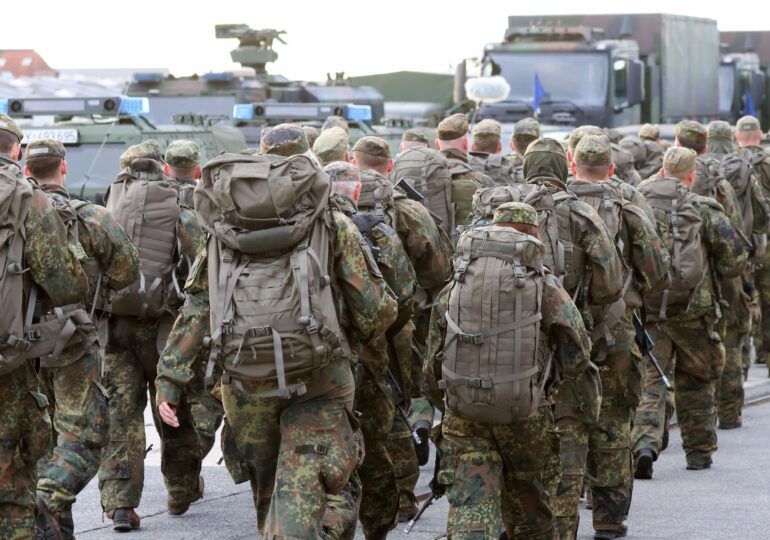
Germany’s Bundestag has approved the introduction of a voluntary military service program for 18-year-olds beginning January 2026, restoring an option for youth engagement in national defense 14 years after mandatory conscription was suspended. This decision aims to balance evolving defense needs with societal concerns over compulsory service.
Legislative Approval and Program Overview
The measure passed the Bundestag on December 5, 2025, with 323 votes in favor and 272 against. It offers an option for voluntary military service specifically targeting Germans born in 2008, who will be turning 18 at the program’s start. Both men and women in this age group will receive a census questionnaire from the Bundeswehr, although only men are currently legally required to respond. Expanding this obligation to women would require a constitutional amendment.
A Political Compromise
The program represents a compromise between conservative parties, namely the CDU-CSU bloc, which advocates for reinstating compulsory service, and the Social Democrats (SPD), who oppose conscription. The current initiative keeps military service voluntary while enabling a population census of youth eligible for service—a significant move given the absence of such data in recent years.
Existing Voluntary Military Service Framework
Germany has maintained a voluntary military service system since 2011, following the suspension of mandatory conscription. Volunteers commit to service periods ranging from seven to 23 months. Participants benefit from competitive monthly pay between €1,500 and €1,900 depending on rank, along with free healthcare, travel advantages, and mustering-out pay. This framework fosters civic engagement and acquaints volunteers with military life without imposing long-term commitments.
Public Reaction and Wider European Context
The announcement has met opposition, including protests and “school strikes” in several cities, with critics equating the new policy to a conscription revival despite government assurances of its voluntary nature. The decision also aligns with a broader European trend; countries such as France have recently reexamined the concept of military service, reflecting heightened security concerns across the continent.
Germany’s reintroduction of voluntary youth military service highlights the complex challenge of addressing defense priorities while respecting individual freedoms and public sentiment in a modern democratic society. The program’s implementation and reception will likely influence ongoing debates about the future of military conscription and civic duty within Europe.