

London, December 09, 2025
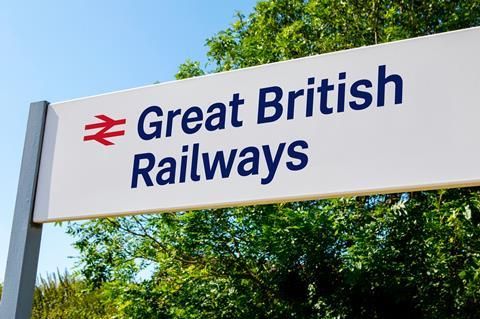
Great British Railways (GBR) has officially unveiled its new branding and logo, marking a key step in the government-led renationalization and unification of the UK rail system set to launch in 2026. The initiative aims to streamline fragmented rail operations under one cohesive identity.
Bold, patriotic redesign
The new GBR visual identity features a red, white, and blue paint scheme directly inspired by the Union Flag. Its sharp angles and vibrant colors signal a clear break from the historical “Rail Blue” of the British Rail era, reflecting a modern yet patriotic image. The updated GBR logo builds on the iconic National Rail double arrow symbol from the 1960s, maintaining a visual link to Britain’s rail heritage while moving forward with a contemporary style.
Symbolism and strategic significance
This branding represents more than aesthetics; it underscores a major governmental policy shift towards a centrally managed, fully nationalized rail operator. GBR will absorb 17 existing rail bodies through the forthcoming Railways Bill currently under parliamentary debate. This consolidation aims to enhance accountability, improve coordination, and offer passengers a unified experience after decades of fragmentation and privatized operations.
Phased rollout commencing 2026
The branding will gradually appear on trains, stations, and digital platforms beginning in spring 2026. A key part of the rollout is a new GBR ticketing app designed to simplify travel by integrating timetables and ticket sales without booking fees, addressing longstanding customer frustrations with complex and costly ticketing systems.
Engagement through public outreach
To foster public familiarity and enthusiasm, GBR has partnered with Hornby to release a model train bearing the new livery and incorporated the GBR brand into the Train Sim World 6 video game. These efforts aim to reach diverse audiences and generate interest in the forthcoming changes.
Anticipated impact on UK rail networks
The launch of GBR’s unified branding conveys a commitment to rebuilding public confidence in Britain’s railways. By creating a single, recognizable identity, stakeholders hope to signal improved service standards, greater operational transparency, and a revitalization of national infrastructure. This strategy aligns with broader government ambitions to modernize transport and support economic growth through enhanced connectivity.
As Great British Railways takes shape, its new visual identity stands as both a symbolic and practical foundation for stitching together a more efficient, user-focused rail network. The months ahead will test how effectively this approach translates into tangible improvements for passengers and the industry alike.