

Athens, December 02, 2025
A severe outbreak of sheep and goat pox in Greece has led to the culling of over 400,000 animals since late 2025, prompting strict movement restrictions and endangering the country’s feta cheese production due to diminished milk supplies.
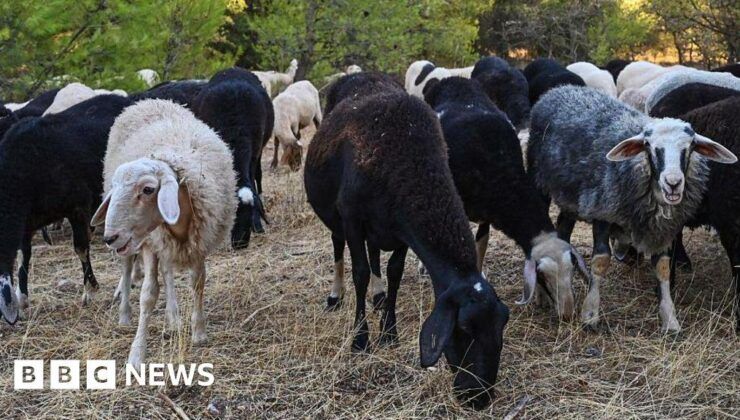
Sheep and goat pox has rapidly spread across key livestock regions including Thessaly, Larissa, and Xanthi, triggering an emergency response from Greek authorities. Over 400,000 animals have been culled in an effort to contain the disease, which threatens the milk output essential for producing authentic Greek feta cheese. Feta legally requires at least 70% sheep’s milk, much of which originates from these affected areas.
The Greek government has implemented 20 new control measures, including stringent animal transport restrictions, mandatory disinfection protocols, and veterinary inspections. These measures aim to halt the spread of the virus but have concurrently caused severe disruption in dairy farming operations. Alongside containment efforts, authorities have introduced compensation schemes and feed support for affected farmers to help mitigate economic impacts.
Small and medium-sized livestock farmers are facing acute challenges as culling and quarantine measures drastically reduce milk production, leading to shortages in both meat and dairy supplies. This reduction in raw materials directly threatens feta cheese producers, who rely heavily on local sheep’s milk. The decreased supply has resulted in rising prices, intensifying pressure on dairy processors and consumers alike.
Representatives from Greece’s Milk and Dairy Industries have urgently requested emergency financial aid from the government to soften the fallout for cheese producers. The crisis not only jeopardizes the livelihoods of farmers and related industries but also risks limiting feta availability domestically and internationally, given Greece’s exclusive role as the authentic feta producer.
Feta cheese holds significant cultural and economic importance in Greece. The European Union’s Protected Designation of Origin (PDO) standards require feta to consist predominantly of sheep’s milk sourced from specific geographic regions. The current outbreak compromises this regulated supply chain, threatening Greece’s export markets and domestic consumption alike.
As the situation develops, ongoing vigilance and support will be critical to contain the pox outbreak and sustain Greece’s traditional feta cheese industry. The widespread loss of sheep and goats underscores the vulnerability of specialized agricultural sectors to animal disease, with potential long-term consequences for production capacity and market stability.