

Athens, December 02, 2025
Greece is facing a significant crisis as an outbreak of sheep and goat pox virus has led to the culling of more than 400,000 animals nationwide since early 2025, threatening a severe disruption in feta cheese production, a hallmark of Greek agriculture and exports.
Sheep and Goat Pox Outbreak and Animal Cull
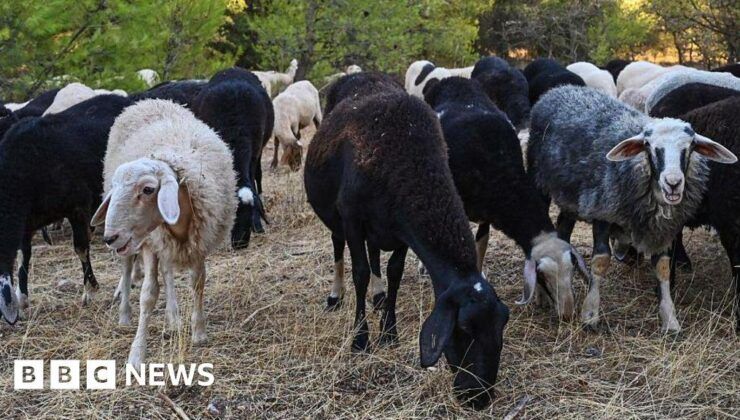
The highly contagious sheep and goat pox virus has forced Greek authorities to carry out mass culling of affected and at-risk herds. Over 400,000 sheep and goats, representing up to 5% of the country’s milk-producing livestock, have been eliminated in an attempt to contain the epidemic. The outbreak’s scale and rapid spread have highlighted vulnerabilities in animal disease management within the nation’s agricultural sector.
Implications for Feta Cheese Production
Feta cheese, the emblematic Greek dairy product, relies heavily on milk from sheep (minimum 70%) and goats (up to 30%) as mandated by its protected designation of origin (PDO) status under European Union law. The sharp reduction in available milk due to the cull has created unprecedented shortages in raw material supplies, drastically affecting both domestic feta production and export volumes. In 2024 alone, feta exports accounted for €785 million ($912.8 million), underscoring the economic weight of this product. The current crisis threatens to push prices higher and limit the cheese’s availability on global markets.
Regional Impact: Thessaly’s Role
The Thessaly region, a critical hub for Greece’s sheep and goat farming, generating about 15% of the nation’s sheep and goat meat as well as roughly one-third of its milk and feta cheese, is particularly hard hit. This region’s agricultural ability to recover is further hindered by the aftermath of Storm Daniel in 2023, which caused destructive flooding and weakened local infrastructure and farming viability.
Farmers’ and Experts’ Concerns
Local farmers and industry experts warn that without effective containment of the virus, the milk shortage may extend well into the future, aggravating rising production costs and financial pressures. They emphasize the risk that ongoing disruptions could destabilize the feta cheese sector, potentially causing a ripple effect across Greece’s agricultural economy.
EU Protected Status and Global Significance
Feta cheese’s PDO designation restricts the use of the name exclusively to products made in Greece following traditional methods and milk sourcing. This exclusivity elevates the current shortage to an international concern, as consumers and importers worldwide depend on authentic Greek feta. The crisis exposes the fragility of supply chains reliant on geographically and biologically concentrated agricultural production.
Broader Economic and Supply Chain Vulnerabilities
The outbreak and subsequent animal cull underscore the susceptibility of key food supply chains to animal disease outbreaks. Such disruptions pose considerable economic risks not only locally but also to global markets reliant on specialty agricultural products. The situation serves as a critical reminder for policymakers and industry stakeholders to reinforce disease prevention and mitigation strategies in vital agricultural sectors.
Greece’s challenge in combating the sheep and goat pox virus will require coordinated efforts from government, farmers, and veterinary experts to restore herd health, stabilize milk production, and secure feta cheese’s place in domestic and international markets. Continued monitoring and proactive responses will be essential to mitigate the crisis’s long-term impact on the country’s agricultural economy and food export reputation.