

London, November 23, 2025
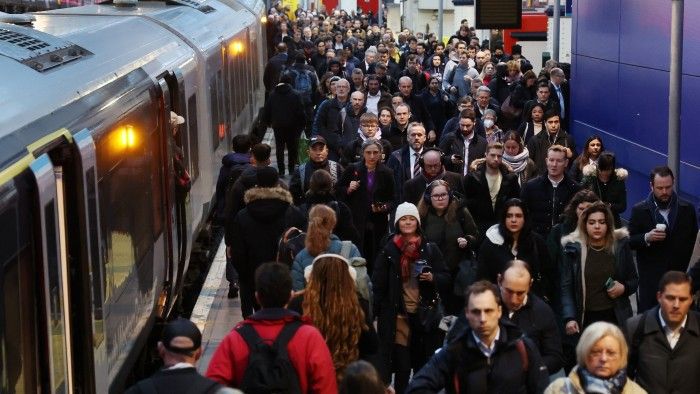
The UK government has announced a historic freeze on regulated rail fares in England for 2026, marking the first halt in price rises in three decades. The freeze aims to alleviate cost-of-living pressures for millions of commuters and reflects a strategic shift in rail transport policy.
Regulated Rail Fares Frozen Across England
On November 22, 2025, Transport Secretary Heidi Alexander confirmed that regulated rail fares in England will remain unchanged throughout 2026. This move ends a 30-year trend of annual increases tied to the Retail Price Index (RPI). The freeze covers regulated tickets such as season passes and peak and off-peak returns on commuter and intercity routes, impacting over one billion passenger journeys each year.
Unregulated fares, which include certain long-distance and premium tickets, are excluded from the freeze and may continue to be adjusted.
Financial Relief for Commuters
The fare freeze is set to offer substantial savings on several expensive commuter routes. For example, a season ticket between Milton Keynes and London will save commuters approximately £315 annually. Similarly, commuters traveling from Woking to London and Bradford to Leeds could save around £173 and £57 per year, respectively. These reductions aim to ease the financial burden on working individuals who rely heavily on rail transport.
Government’s Strategic Rationale
The Labour government positions the fare freeze as part of a wider agenda to modernize and reform the rail network. Central to this agenda is the rebuilding of Great British Railways as a publicly owned entity focused on delivering better value and service quality.
Additional plans include the introduction of modernized ticketing systems, such as contactless tap-in, tap-out options, and enhanced digital platforms. Investments are also earmarked for improving service reliability and installing superfast Wi-Fi across trains.
Context within UK Transport Policy
This policy contrasts with the Scottish Government’s earlier abolition of peak fares, which has lowered rail travel costs in Scotland. The English rail fare freeze signifies a regulatory shift from routine price hikes toward compelling operators to improve operational efficiency.
Passenger advocacy groups and rail unions have welcomed the announcement, describing it as a critical relief for commuters facing rising living costs.
Scope and Limitations
The freeze applies strictly to services managed by English train operating companies and does not extend to Scotland or Wales. Transport for London (TfL) fares are currently frozen until March 2025; any subsequent fare decisions will be influenced by overarching government transport policies.
Implications for Public Transport Affordability
The 2026 rail fare freeze represents a landmark change in UK transport policy, addressing long-standing affordability challenges. It underscores a commitment to public ownership and enhanced service delivery while alleviating passengers’ financial stress. Observers anticipate that this approach may serve as a model for regulated public transport markets internationally.