

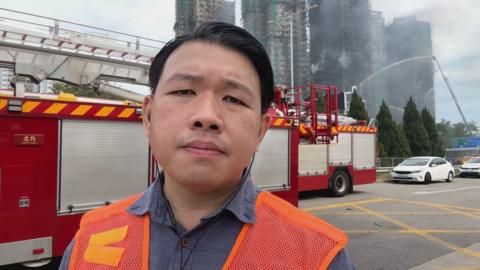
Hong Kong, November 28, 2025
A devastating fire in Hong Kong on Wednesday afternoon has resulted in at least 94 confirmed deaths, with hundreds more injured or reported missing, as firefighters complete searches across seven apartment towers. The fire rapidly spread, causing extensive damage and displacing hundreds of residents.
Casualties and Emergency Response
The fire, described as the worst in Hong Kong in over a decade, started mid-afternoon and quickly engulfed multiple residential buildings. Firefighters have nearly completed the arduous task of forcibly entering every unit to ensure no one remains trapped. Emergency services continue to treat hundreds of survivors in hospitals, while the number of people still unaccounted for remains in the hundreds, underlining the scale of the disaster.
Fire Spread and Government Action
The conflagration affected seven high-rise apartment towers, leaving many residents homeless. Hong Kong’s Chief Executive, John Lee, visited the scene and announced immediate financial assistance, pledging 10,000 HKD per affected family to support recovery efforts. Authorities have launched a criminal investigation focusing on potential safety lapses and overlooked warning signs that may have contributed to the rapid spread and severity of the fire.
Context and Implications
This tragedy marks Hong Kong’s deadliest fire in over ten years, drawing sharp attention to longstanding concerns about building safety standards and emergency preparedness in the densely populated city. The disaster exposes systemic issues in fire safety enforcement within urban residential environments. The ongoing investigation will be critical in identifying root causes and establishing measures to prevent similar future incidents.
The scale of human loss and property damage has prompted urgent calls for comprehensive reviews of fire safety regulations and emergency response protocols. With many families displaced and communities affected, implications for urban planning, public safety policy, and social support mechanisms are immediate and profound.