

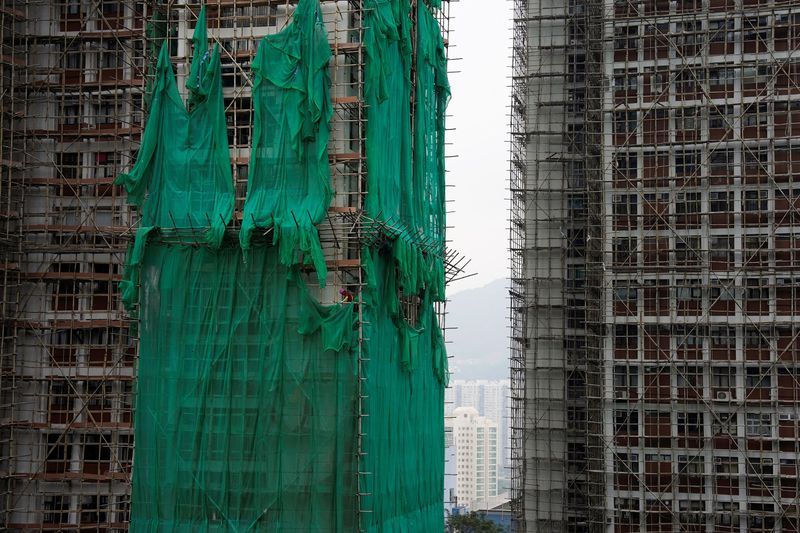
Hong Kong, December 08, 2025
Hong Kong held its 2025 Legislative Council election on December 7 amidst a somber atmosphere following a recent deadly fire, electing all 90 members under a system that restricts candidates to pro-Beijing patriots and limits direct democratic participation.
Election Structure and Key Details
The Legislative Council election comprises 90 seats divided among three distinct election modalities. Forty seats were selected by a 1,500-member Election Committee. Thirty seats came from trade-based Functional Constituencies, which are indirectly elected. The remaining twenty seats were directly elected through Geographic Constituencies. This hybrid electoral framework underscores limited direct voting power for the general populace. Only registered electors corresponding to their constituencies or Election Committee members were eligible to vote, reflecting heightened restrictions on voter participation.
Candidate Eligibility and Democratic Representation
Significant constraints were placed on candidacy eligibility: exclusively pro-Beijing individuals deemed “patriots” were permitted to run. The majority of pro-democracy opposition figures were prohibited from contesting, with many facing imprisonment or exile following electoral reforms implemented since 2021. These reforms explicitly aimed at ensuring “patriots administer Hong Kong” have redefined the political landscape. Critics, including international observers and non-governmental organizations, have condemned the election’s design, pointing to the mere 22% of seats filled via direct elections as a glaring limitation on genuine democratic representation.
Political and Social Context
The election unfolded under the weight of the city’s collective mourning after a recent deadly fire, intensifying the somber mood. The timing highlighted the challenges facing Hong Kong amid profound political shifts. These shifts involve Beijing’s intensified oversight and reshaping of Hong Kong’s governance model to reaffirm loyalty and curtail dissent. This event embodies broader trends that have substantially reduced political plurality and opposition voices, aligning governance firmly with mainland China’s directives.
Implications for Hong Kong’s Governance
This election marks a continuation of structural transformations that constrain Hong Kong’s political diversity and democratic mechanisms. The increased control through electoral engineering and candidate vetting not only diminishes opposition participation but also signals a persistent narrowing of the political space. These developments occur amid complex social circumstances exacerbated by recent tragic events, portending an era in which governance remains tightly aligned with Beijing’s strategic interests.