

London, December 13, 2025
A new genetic study by the University of Cambridge ranks humans as moderately monogamous, placing them seventh out of 11 socially monogamous mammal species. Published in the Proceedings of the Royal Society B in 2025, the research uses sibling genetic data to compare human mating systems with other mammals, offering fresh insight into human evolutionary biology.
Human Monogamy in Context
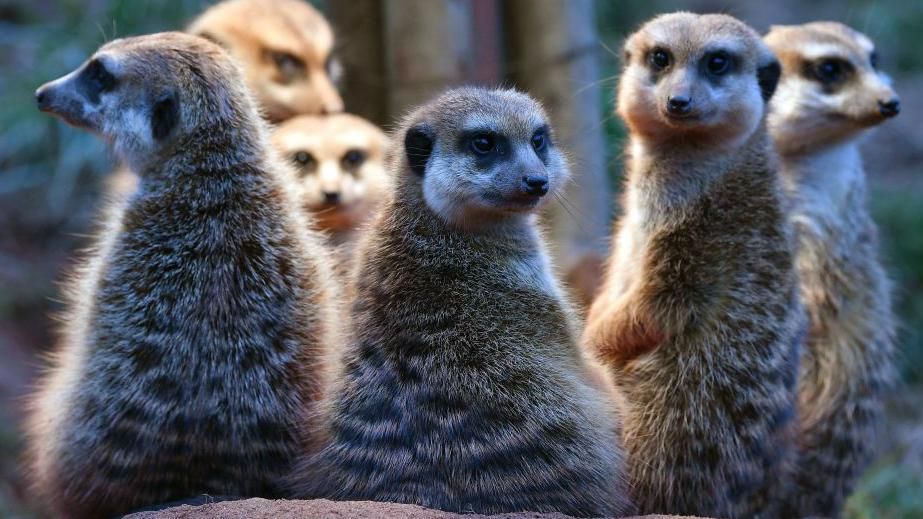
The study finds that approximately 66% of human siblings share full genetic parentage, positioning humans between meerkats at 60% and beavers at 73% on a monogamy scale. This percentage places humans near species known for flexible but substantial pair bonding, such as white-handed gibbons, which rank at 63.5%. The research highlights a significant degree of monogamy in humans, surpassing many primates and aligning with moderate exclusivity in pair bonding.
Methodology and Data Analysis
Researchers employed a computational model that quantifies exclusive mating rates by analyzing genetic sibling patterns across multiple species. This approach relies on recent paternity studies and genetic data, providing a direct measure of mating exclusivity. By mapping the percentage of full siblings, the study offers an empirical alternative to previous inference-based methods that depended largely on observational data or fossil records. The model also encompasses the complexity of human mating behaviors, including serial monogamy and polygamous relationships.
Evolutionary and Biological Implications
This moderate level of human monogamy underscores the species’ unique reproductive strategy, which balances exclusivity with flexibility. The findings support theories that human pair bonding evolved to enhance parental investment and offspring survival. Unlike species with either strict monogamy or promiscuity, humans show a mix of full and half-siblings within families, reflecting a complex social structure.
Comparative Mammalian Monogamy Rankings
The study publishes a “monogamy league table” placing species by their full sibling rates. Beavers top the list at 73%, representing the highest level of social monogamy among the mammals surveyed. Humans stand at seventh, with meerkats below them at 60%. This ranking enhances understanding of varied mating systems in the animal kingdom and places human behavior in a broader ecological and evolutionary framework.
The Cambridge research sheds light on the nuanced human mating system, providing a robust genetic basis for assessing monogamy. As this approach integrates cross-species analysis with genetic accuracy, it invites further exploration into the evolutionary pressures shaping social bonds and reproduction. This understanding has broad implications for fields ranging from anthropology to evolutionary psychology, contributing a vital empirical foundation to discussions about human relationships and reproduction.