

London, November 30, 2025
At least 442 people have died, with over 400 still missing, after severe flooding and landslides struck Indonesia’s Sumatra island earlier this week, caused by a tropical storm in the Malacca Strait. Thousands remain stranded amid widespread devastation, prompting urgent rescue and relief operations.
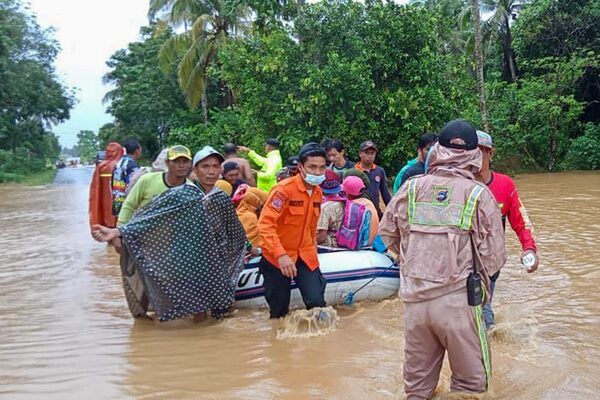
Indonesia is grappling with one of its deadliest flood events in recent years as torrential rains triggered flooding and landslides across Sumatra island, especially in Central Tapanuli and Sibolga. The national disaster agency reports at least 442 confirmed fatalities, more than 400 people missing, and at least 646 injured. Entire cities are isolated due to road blockages and damaged infrastructure, complicating rescue efforts.
Severe Impact and Ongoing Rescue Efforts
The most affected areas remain cut off as floodwaters subside, leaving behind thick mud and extensive destruction of homes, vehicles, and farmland. The scale of the disaster has left thousands stranded without access to food, clean water, or medical supplies.
Authorities have mobilized two warships from Jakarta to deliver aid and evacuate residents trapped by the flooding. Helicopters are also deployed to reach isolated communities. Despite these efforts, logistical challenges persist due to damaged transport routes and adverse weather conditions.
Regional Storm and Broader Southeast Asia Context
This disaster stems from a tropical storm in the Malacca Strait, which has also caused deadly floods in Thailand and Malaysia. Thailand reported around 170 deaths, while Malaysia’s flooding resulted in at least three fatalities. In Malaysia, approximately 18,700 people remain in evacuation centers even as the storm passes.
Experts link the increasing frequency and severity of monsoon rains and storms in the region to climate change, which intensifies weather extremes such as the one currently devastating parts of Indonesia and its neighbors.
Public Frustration and Official Accountability
Frustration with the disaster response is mounting among local populations. This discontent has led to the suspension of two local officials over alleged lapses in crisis management. The government’s handling of relief operations and preparedness measures is under intense scrutiny as the humanitarian situation worsens.
Significance and Implications
The widespread destruction and high death toll highlight the urgent need for strengthened disaster preparedness, early warning systems, and infrastructure resilience in vulnerable regions. The event underscores the growing human and economic risks posed by climate change-driven extreme weather, emphasizing the importance of coordinated regional efforts and effective governance.
Indonesia’s emergency response continues amid difficult conditions, as authorities and humanitarian agencies race to provide relief and prevent further casualties. The unfolding crisis is a stark reminder of the escalating challenges that Southeast Asia faces in adapting to a changing climate and safeguarding its populations.