

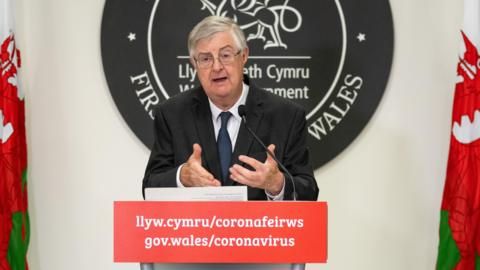
London, November 20, 2025
The UK Covid-19 Public Inquiry revealed critical failures in the government’s pandemic response, highlighting fatal preparedness gaps, delayed action, and chaotic policymaking during 2020, which collectively contributed to thousands of avoidable deaths and overwhelmed the NHS.
Fatal Preparedness Gaps
The inquiry’s first Module 1 report exposed that the UK was fundamentally unprepared for a catastrophic emergency of Covid-19’s scale. The government’s sole pandemic strategy, last updated in 2011, was outdated and insufficiently adaptable to the fast-evolving pandemic threat.[1] Despite expert warnings that up to 80% of the population could be infected under a reasonable worst-case scenario, ministers and officials failed to acknowledge the high probability of such an outcome.[1] This complacency laid the groundwork for the severe challenges that followed.
Critical Turning Point in March 2020
A decisive moment came on March 13, 2020, when the Scientific Advisory Group for Emergencies (SAGE) acknowledged that Covid-19 infections were far more widespread than previously estimated, with daily cases running into the thousands.[1] Modeling indicated that the National Health Service’s capacity would be breached even if social distancing measures were implemented. This accelerated spread underscored a rapidly deteriorating public health crisis requiring immediate intervention, yet swift government action was lacking.
Divided Leadership and Policy Incoherence
The inquiry further highlighted the disarray within government leadership, particularly during the autumn 2020 “circuit breaker” lockdown discussions. Executive Committee meetings were marred by political divisions and staff leaks, resulting in inconsistent and confused policy measures.[1] Authorities initially extended restrictions for one week, then abruptly let them lapse for another week before reimposing them for two more weeks. This one-week hiatus corresponded with a 25% surge in Covid-19 cases, illustrating the human cost of indecisive governance.[1]
Lives Potentially Lost Through Delayed Action
Analysis within the inquiry estimates that approximately 23,000 deaths could have been prevented through more timely lockdown enforcement, stressing the deadly consequences of procrastination in the face of escalating infections.[3] This figure quantifies the profound human toll linked directly to government response failures.
Overall Assessment of the UK Response
The collective findings depict a UK pandemic response characterized by a pattern of “too little, too late” actions. Early mistakes in February and March 2020 were repeated throughout the pandemic, ultimately making renewed lockdowns unavoidable.[1][2] Such repeated errors in strategy and execution highlight systemic shortcomings in crisis management and decision-making at the highest levels.
These revelations carry significant implications for future emergency preparedness and public health policy. For policymakers, the inquiry’s findings serve as a stark warning that outdated plans, delayed reactions, and fragmented leadership can have catastrophic impacts on public welfare. The lessons learned must inform reforms to strengthen the UK’s resilience against future national emergencies.