

Tokyo, December 08, 2025
Japan is confronting a critical dementia crisis as an aging population drives a surge in cases projected to reach millions by 2040, prompting urgent adoption of advanced technologies and integrated community care to mitigate societal and healthcare burdens.
Rising Dementia Prevalence and Societal Impact
By 2025, one in five Japanese aged 65 and older is expected to have dementia, with projections of one in seven seniors affected by 2040. The total number of dementia patients could reach between 5.8 and 7.3 million within two decades. This trend imposes significant strain on families, healthcare facilities, and social welfare systems, exacerbated by a shrinking workforce and limited foreign caregiver availability.
Technological Innovations in Dementia Management
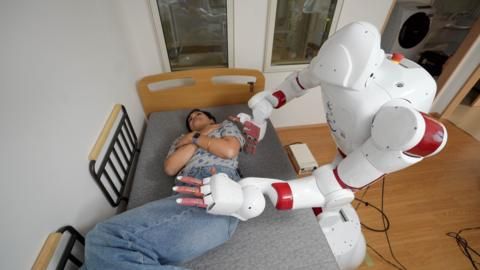
Japan is leveraging cutting-edge technology to detect and manage dementia more effectively. Fujitsu’s aiGait system uses artificial intelligence to analyze gait and posture for early dementia detection before severe symptoms emerge, facilitating timely interventions to maintain patient quality of life. Wearable GPS tracking systems and tags assist families and communities in locating patients who wander, reducing risks of fatal outcomes. Local communities have coordinated with convenience stores to receive real-time alerts for missing individuals, creating networks for enhanced dementia patient safety. Humanoid robots and AI caregivers are also under development to provide support, though improvements in sensing and real-world adaptability remain necessary.
Integrated Community Care as a Strategic Response
In response to the escalating crisis, Japan plans to implement a community-based Integrated Care System by 2025. This system aims to unify healthcare, nursing, preventive services, housing, and livelihood support to enable elderly individuals to live independently in familiar surroundings, even if dependent on long-term care. The approach represents a shift toward localized, holistic care environments to alleviate institutional pressures.
Workforce Constraints and Economic Challenges
The surge in dementia cases coincides with Japan’s declining working-age population, limiting caregiving capacity and intensifying family burdens. Dementia-related healthcare and social support costs are anticipated to rise sharply, projected to reach approximately 14 trillion yen by 2030, highlighting the urgent need for sustainable care models.
Broader Context and Global Relevance
Japan’s response to its dementia crisis is closely monitored internationally as other aging societies face similar demographic shifts. The integration of advanced AI diagnostics, wearable technology, robotics, and community-centered care provides important insights into scalable solutions for global dementia management challenges.
Japan’s multifaceted strategy exemplifies a comprehensive societal effort to create safer, more supportive environments for dementia patients, reflecting both the medical and social dimensions of this escalating public health issue.