

Tokyo, December 08, 2025
Japan is confronting a deepening dementia crisis exacerbated by its ageing population, with an estimated one in five seniors projected to have dementia by 2025. In response, the country is deploying advanced technologies and integrated care strategies to manage risks and alleviate social and economic pressures.
Dementia Crisis Projections and Demographic Challenges
By 2025, approximately 20% of Japan’s population aged 65 and older will suffer from dementia, a figure expected to climb further by 2040. This surge poses profound challenges, including increased care needs and a shrinking workforce to provide informal and formal support.
The economic burden is staggering, with care costs projected to reach hundreds of billions of US dollars by 2043. The rapid rise in dementia prevalence strains families, healthcare systems, and social services, creating urgency for innovative solutions.
Harnessing Technology for Dementia Management
Japan is leveraging cutting-edge technology to improve dementia detection, safety, and care. GPS-based tracking systems and wearable tags are widely used to monitor patients prone to wandering, enabling rapid location and reducing fatal incidents.
Artificial intelligence plays a pivotal role through tools like Fujitsu’s aiGait, which detects early signs of dementia by analyzing walking patterns in routine medical exams. Early detection efforts aim to prolong patient independence and allow timely interventions.
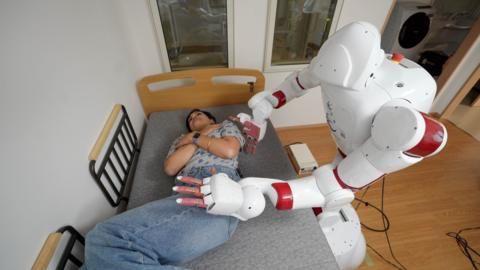
Robotics and AI assistants are being developed to provide supplemental care and support. Although full deployment awaits advancements in sensing and adaptive interaction, these technologies hold promise for safer and more responsive dementia care environments.
Policy Initiatives and Global Leadership
Japan is committed to establishing an integrated community-based care system by 2025, offering healthcare, nursing, prevention, housing, and livelihood support tailored to dementia patients. This model seeks to maintain the autonomy of elderly individuals within familiar settings.
At the international level, Japan leads discussions on dementia at the G7, advocating for societies where people with dementia and their families live with dignity and security. This leadership underscores the global importance of Japan’s approach amid shared demographic trends worldwide.
Broader Social and Economic Implications
The dementia epidemic coincides with Japan’s broader demographic shifts: a declining and ageing population reduces available caregivers, heightening care costs and societal pressures. The convergence of these factors necessitates a multifaceted response integrating technology, policy, and community support.
The investments in technology and systemic reforms represent a critical attempt to mitigate projected care shortages and sustain quality of life for millions of seniors facing cognitive decline.
As dementia prevalence continues to rise globally, Japan’s efforts provide a data-driven, technology-enabled model for addressing one of the most pressing public health challenges of the 21st century. The balance of innovation and human-centered care remains central to these endeavors.