

London, December 02, 2025
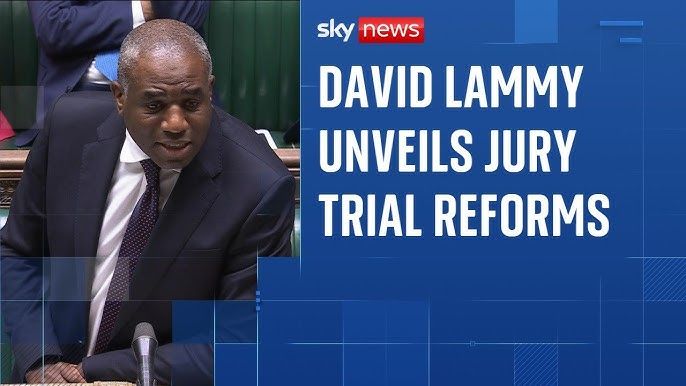
The UK government has announced the abolition of jury trials for crimes likely to carry sentences of less than three years in England and Wales, effective immediately. Justice Secretary David Lammy cited the reform as a key measure to reduce the substantial backlog in the court system and accelerate case processing.
Scope of the Reform
The reform primarily affects “triable either way” offences, which can currently be tried either in magistrate’s courts or crown courts with a jury. Crimes such as burglary, fraud, and drug dealing will now be decided solely by judges without jury involvement. The government estimates that this change will affect between 10,000 and 20,000 accused individuals annually who presently have the right to jury trials. This comes in the context of nearly 80,000 cases currently caught in court delays.
However, jury trials will remain intact for serious offences, including murder, rape, robbery, manslaughter, grievous bodily harm, and arson with intent. All indictable-only offences will also continue to be tried by juries. This distinction reflects the government’s commitment to maintain jury trials as the cornerstone for the most serious crimes.
Additional Reforms to the Justice System
Alongside the abolition of juries for lower-level offences, the government will introduce “swift courts” within the Crown Court. These courts will be staffed by judges who will deliver verdicts alone in triable either way cases, aiming to streamline judicial proceedings and alleviate pressure on the traditional Crown Court system.
Magistrate courts will see their sentencing powers increased from 12 to 18 months, enabling them to adjudicate a larger volume of lesser offences and reduce the caseload in higher courts. There is also provision for extending magistrates’ sentencing powers up to two years if the backlog persists or escalates.
Rationale Behind the Reform
Justice Secretary David Lammy underscored that while jury trials remain fundamental for serious offences, the existing court backlog necessitated urgent reforms to ensure the justice system functions efficiently. The backlog, which has reached unprecedented levels, has contributed to delayed justice administration. These changes represent government efforts to improve case throughput and relieve bottlenecks in the courts.
Lawmakers and legal stakeholders have noted that these reforms mark a significant shift from traditional jury use in the UK criminal justice system, emphasizing judicial efficiency over jury participation in less serious cases.
The evolution of these reforms will be closely monitored to assess their impact on the delivery of justice, ensuring that efficiency gains do not come at the expense of fairness or public confidence in the legal process.