

London, December 10, 2025
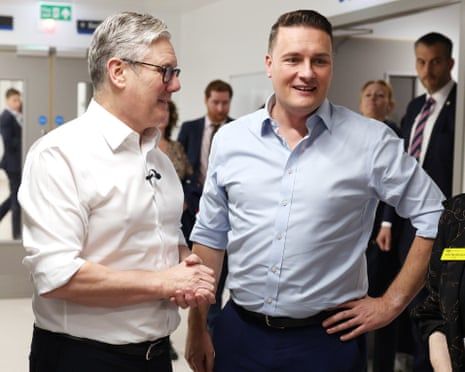
Keir Starmer, Prime Minister and leader of the UK Labour Party, faces mounting pressure amid a deepening political crisis as Labour’s popularity plummets and internal divisions intensify. The party’s right wing is widely reported to be positioning him as a scapegoat for broader strategic and policy failures going into critical elections in 2026.
Starmer as the Fall Guy
Senior commentator Owen Jones highlights that Starmer is increasingly viewed within his own party as the “fall guy” for Labour’s struggles. While publicly calm, sources suggest that Starmer’s leadership style and reform agenda have never won full support from senior figures on Labour’s right. According to Jones, this faction is distancing itself as the government’s approval declines, preparing for Starmer’s eventual replacement.
The crisis extends beyond leadership personality. Labour’s unpopularity derives significantly from unpopular policies shaped by the party’s centrist and right-wing elements, including austerity-lite budgets and a cautious economic approach. These choices have alienated parts of Labour’s traditional base, fostering a perception that the party has abandoned its left-wing priorities.
Polling and Electoral Outlook
Labour’s fortunes have sharply deteriorated. Opinion polls show support falling as low as 15%, trailing not only the Conservative Party but also the Greens in some key measures. This decline reflects widespread voter anger around economic challenges, cost-of-living pressures, and unmet expectations since Labour won government in 2024.
The May 2026 local elections are widely seen as a possible breaking point. Poor results here could trigger a formal leadership challenge or force Starmer to step down voluntarily. The situation may worsen with the Welsh Senedd and Scottish Parliament elections later in the year, where Labour risks significant losses in vital regions.
Internal Party Dynamics and Leadership Uncertainty
Reports of Starmer’s “zen-like” calm amid crisis have been interpreted by some Labour MPs as resignation rather than resolve, fueling speculation that he may already be preparing an exit. Within the party, debates are intensifying about the timing and necessity of leadership change to salvage prospects ahead of upcoming elections.
The Labour right, encompassing influential MPs, donors, and media backers, is perceived as the key power bloc poised to orchestrate this transition. Their objective appears to be preserving the party’s centrist ideological course by replacing Starmer with a more conforming figure.
Implications for British Politics
This leadership turmoil carries significant consequences beyond Labour itself. With the ruling party’s public support at historic lows, questions mount about its mandate and governance capacity. A potential Starmer resignation or leadership contest risks destabilizing government operations and intensifying factional conflict within Labour.
Moreover, a Labour collapse or leadership crisis could accelerate political realignment in the UK. Opposition forces such as the Conservatives, Greens, and Reform UK may capitalize on the turmoil, deepening voter cynicism toward mainstream parties and complicating prospects for stable governance.
Owen Jones’s analysis presents the current crisis not as a simple leadership failure but as a symptom of Labour’s unresolved internal contradictions—struggling to govern as a centrist party amid rising internal dissent and an electorate increasingly alienated by cautious and incremental policymaking. The coming months leading to the 2026 elections are critical, with the future trajectory of both the Labour Party and UK political stability hanging in the balance.