

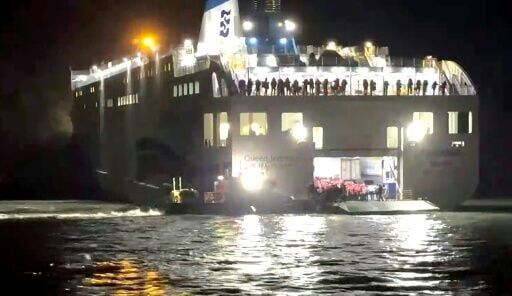
South Korea, November 23, 2025
The helmsman and first mate of the passenger ferry Queen Jenuvia II were arrested for gross negligence after the vessel ran aground near a narrow channel off South Korea’s southwestern coast on November 19, 2025. The incident endangered 267 passengers and crew but resulted in no serious injuries.
Crew Arrests and Charges
South Korean Coast Guard apprehended the Indonesian helmsman and the ferry’s first mate on charges of gross negligence. Investigators found the helmsman distracted by his mobile phone and improperly relying on autopilot during a critical navigation maneuver in a narrow, manually operated channel. The first mate also admitted briefly using his phone at the time. The captain is under investigation for leaving the bridge and may face arrest for dereliction of duty.
Incident Circumstances
The Queen Jenuvia II was en route from Jeju Island to Mokpo port when it missed its turning point in the challenging coastal waters near an uninhabited islet, resulting in the grounding. Manual steering was required for safe navigation in the area, but the helmsman permitted autopilot control while distracted. This breach of maritime safety protocols led to the vessel running aground.
Investigation and Authority Response
Authorities seized the helmsman’s mobile phone for forensic analysis and reviewed navigation records and security footage. Arrest warrants cited concerns over potential evidence tampering or flight risk. In response, the ferry operator suspended all services pending comprehensive safety inspections.
Impact on Passengers and Operations
Although there were no severe injuries, the incident raised urgent concerns about crew readiness and passenger safety on domestic ferry routes. The swift action by the Coast Guard prevented escalation and ensured the affected passengers were safely managed.
Government and Regulatory Measures
President Lee Jae Myung ordered expedited rescue efforts and mandated regular public briefings. The case has prompted discussions on stricter enforcement of maritime safety protocols and possible revisions to crew monitoring regulations to prevent similar negligence in high-risk navigation zones.
This investigation underscores vulnerabilities in operational oversight during critical ferry routes and may trigger broader reforms in South Korea’s maritime transport safety standards.