

London, December 09, 2025
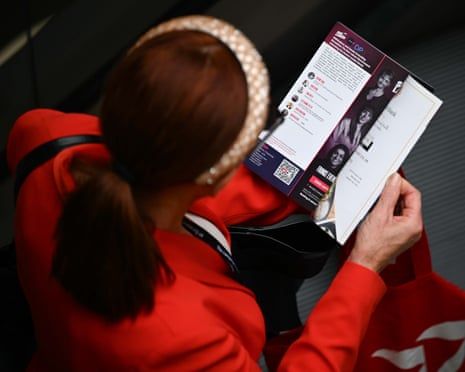
The UK Labour Party has announced it will bar trans women from attending the main sessions of its 2026 Women’s Conference, limiting their participation to fringe events open to all genders. This decision follows the UK Supreme Court’s ruling on the legal definition of “woman” under the Equality Act 2010.
Labour Party’s Decision on Conference Attendance
The Labour Party’s move excludes trans women from the main conference hall, where key speeches are delivered and policy debates take place. While trans women may join fringe sessions, their exclusion from core activities prevents them from voting on policies and hearing primary discussions. This marks a significant shift in the party’s approach to transgender inclusion in women’s political spaces.
Impact of the UK Supreme Court Ruling
Labour cites the April 2025 UK Supreme Court ruling that defined “woman” in the Equality Act 2010 by biological sex, using this legal interpretation to justify the restrictions. The ruling has introduced a controversial legal framework concerning the rights and recognition of transgender individuals, influencing political organizations’ policies on gender inclusion.
Backlash from LGBTQIA+ Organizations
The decision has been met with strong opposition from LGBTQIA+ advocates. Groups such as the Trans Legal Clinic and Labour for Trans Rights condemned the party’s move, characterizing it as harmful and hostile toward trans rights within Labour. Critics argue the restriction undermines democratic participation for trans members, who continue to be active as candidates and activists. Calls have been made for the Labour Party to reverse its decision and for the Minister for Women and Equalities to clarify future inclusive service provisions post-ruling.
Broader Political and Social Context
This controversy underscores ongoing tensions in the UK surrounding transgender inclusion and the legal definitions of gender. It reflects wider societal debates about balancing rights and recognition for transgender individuals within political and organizational contexts. The Labour Party’s stance may influence similar discussions and policies in other sectors, highlighting the challenges faced by political groups in navigating legal rulings alongside calls for inclusivity.
As the Labour Women’s Conference approaches, this development poses pressing questions about the future of transgender participation in UK politics and the extent to which legal definitions will shape inclusive practices. The issue remains a flashpoint in broader debates over gender identity and rights across British society.