

London, December 09, 2025
The Labour Party has begun implementing concrete policy changes addressing child poverty and early childhood development in the UK, responding directly to long-standing demands from its left-leaning supporters amid mounting political pressures.
Labour’s recent initiatives focus on removing the two-child limit on welfare payments, a cap that has restricted financial support to larger families, marking a significant shift towards prioritizing child poverty reduction. This policy adjustment aims to alleviate the financial strain on families and signals Labour’s commitment to social welfare reform.
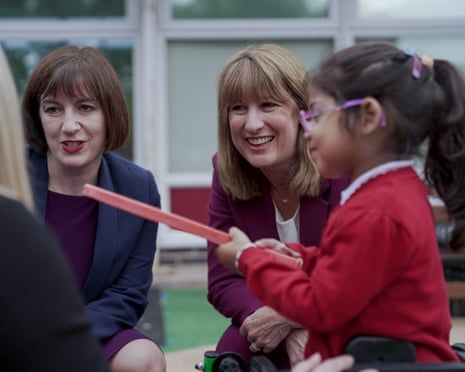
Alongside welfare reform, Labour is reviving family support programs similar to the previous Sure Start initiative, emphasizing early intervention in children’s development. Investments target speech and language therapy, social and emotional development support, and efforts to reduce excessive screen time by promoting reading. These measures reflect a strategic approach to improving long-term outcomes and mitigating educational inequalities.
Despite these initiatives, funding for such programs remains a constraint, with Labour adopting a pragmatic stance that balances ambition with financial realities. The party’s policy direction also includes clearer positions on Brexit and other social issues, aiming to regain trust and support from voters alienated by perceived ambiguity or inaction.
This policy pivot contrasts with Labour’s historically more rhetorical approach, underscoring a move toward tangible actions that resonate with its base. The shift reflects recognition of electoral challenges posed by left-wing competitors and the necessity to respond with substantive social welfare strategies.
However, some commentators remain cautious, highlighting concerns over Labour’s increasing ties to corporate interests, which may affect public trust and the strength of future reformist agendas. These critiques suggest a complex dynamic between pursuing progressive policies and engaging with wider economic stakeholders.
Labour’s renewed focus on early childhood interventions, including enhancing services for children with special educational needs, illustrates a broader strategy of joined-up thinking to address social determinants of inequality from the outset. This approach underscores the party’s effort to align government policy more closely with supporter expectations on welfare and education.
The shift implies Labour’s positioning as a party more responsive to its traditional base’s demands, potentially reshaping its electoral prospects. By embracing early intervention and welfare reform, Labour signals a commitment to addressing systemic social challenges with practical, evidence-informed policies while navigating the fiscal and political complexities ahead.