

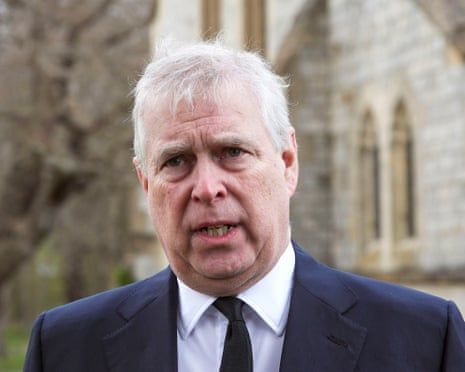
London, December 06, 2025
The UK Parliament’s Public Accounts Committee (PAC) has initiated a formal inquiry into the lease arrangement between Andrew, Duke of York, and the Crown Estate concerning the Royal Lodge residence. The investigation aims to address concerns over the terms of the lease, including the payment of nominal rent and the property’s condition following the Duke’s early departure.
Parliamentary Scrutiny of Lease Terms
The inquiry focuses on the 2003 lease agreement under which the Duke of York purchased the lease of Royal Lodge—a 30-room mansion located on Crown Estate land—for £1 million. Despite the purchase sum, the lease required the Duke to pay only a nominal or “peppercorn” annual rent, a practice that has drawn criticism for potentially undervaluing the property and public assets.
In a move that fueled questions about the lease’s value, the Duke served the minimum 12 months’ notice to surrender the property early by October 2026, ending the tenancy before the original 20-year lease term. This early exit is seen in the shadow of the controversies associated with the Duke’s ties to Jeffrey Epstein, adding sensitivity to the financial and property management issues.
Condition of Royal Lodge and Financial Implications
The Royal Lodge has been described as “dilapidated” and in need of significant repairs at the time of the Duke’s departure. The deteriorated state significantly diminishes any entitlement to financial compensation the Duke might have sought for leaving early, which was estimated to be around £488,342.21. This factor complicates the settlement and raises further questions about upkeep obligations under the lease and the overall management of Crown Estate properties by tenants.
Role of the Public Accounts Committee
As the parliamentary body responsible for overseeing Crown Estate financial affairs, the PAC has underscored its commitment to transparency and safeguarding taxpayers’ interests. Letters disclosed by the Crown Estate and Treasury officials to Members of Parliament reveal ongoing efforts to scrutinize the lease terms and ensure that similar arrangements reflect market value and fair dealings.
The inquiry also signals that the Duke of York may be summoned to provide testimony, reflecting the seriousness with which MPs view the matter.
Comparisons with Other Royal Lease Agreements
The Crown Estate has clarified that leases for other senior royals, such as the recent tenancy arrangement for the Prince and Princess of Wales’ residence (referred to as Forest Lodge), were negotiated on clear market terms and subjected to independent valuations. This distinction serves to highlight perceived discrepancies in lease handling and has fueled debate about the equitable treatment of Crown properties.
Context and Wider Implications
The Crown Estate is a commercial entity owned by the reigning monarch, King Charles III, positioning the current sovereign indirectly at the center of scrutiny related to royal property leases. The inquiry reflects broader public and parliamentary concerns about financial propriety, governance, and the stewardship of assets linked to the monarchy.
The controversy surrounding the Duke’s association with Epstein has intensified demands for accountability and proper valuation of Crown Estate leases. This parliamentary probe represents a significant step in reevaluating how royal assets are managed, emphasizing transparency and safeguarding public interest.
As the inquiry progresses, its findings may have repercussions for how the Crown Estate administers leases and engages with members of the royal family, potentially influencing future governance over one of the United Kingdom’s most valuable property portfolios.