

Skopje, November 20, 2025
A trial has commenced in North Macedonia over a nightclub fire that killed 63 people in March 2025, with 35 individuals and three institutions charged with criminal negligence, safety violations, and regulatory failures. The fire occurred at the Pulse Nightclub in Kocani, and the trial seeks accountability for the tragedy that sparked national outrage.
Trial Details and Charges
The unprecedented trial involves 35 defendants alongside three institutional bodies accused of negligence that allegedly transformed the Pulse Nightclub into a hazardous environment. Prosecutors contend that systemic safety lapses and regulatory oversights over several years directly contributed to the fire’s devastating toll. Charges encompass criminal negligence and institutional failures that led to the deaths and injuries sustained during the incident.
The proceedings, which opened in November 2025, are expected to be protracted and closely monitored given their potential to establish legal precedents for public safety accountability in the country.
Public Response and National Impact
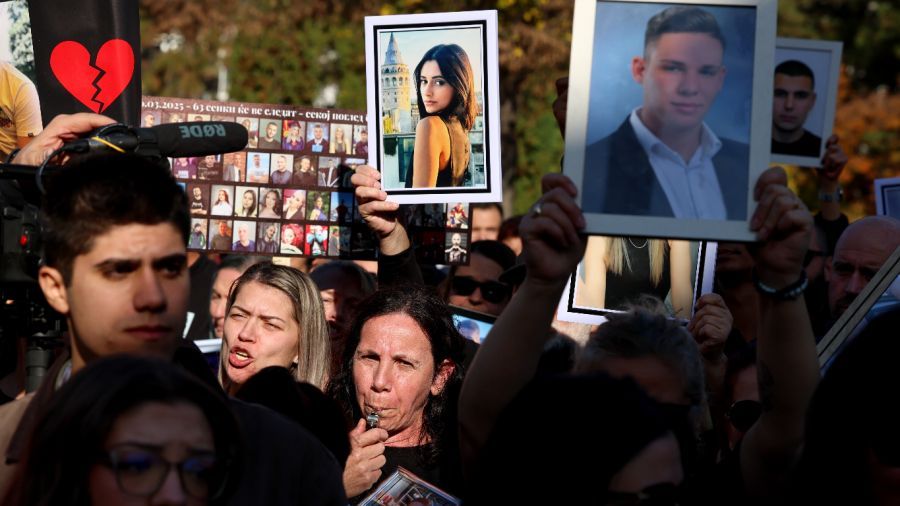
The tragedy has galvanized victims’ families and broader civil society, prompting widespread protests demanding transparency and justice from governmental and regulatory agencies. Demonstrations in the capital Skopje articulate a collective call for sweeping reforms in public venue safety standards and more stringent enforcement of regulations.
The nightclub fire remains one of North Macedonia’s deadliest recent humanitarian disasters, highlighting deficiencies in emergency preparedness and raising critical questions about institutional corruption and oversight.
Background of the Fire Incident
On March 16, 2025, a fire broke out at the Pulse Nightclub located in the eastern town of Kocani. The incident claimed 63 lives, with many more injured, making it one of the most catastrophic fire events in the nation’s history. Initial investigations pointed to safety violations and inadequate emergency exits, compounding the fire’s lethality.
The fire ignited intense scrutiny of regulatory agencies overseeing public safety, ultimately exposing systemic flaws that delayed both preventive measures and effective emergency response.
International Attention and Broader Ramifications
The case has attracted considerable international media and human rights entities’ attention, reflecting wider concerns about governance, safety compliance, and human rights within North Macedonia. Global observers and advocacy groups emphasize the necessity for full transparency and accountability throughout the trial process.
Beyond national borders, the trial signals a broader movement towards reinforcing safety protocols and institutional integrity in countries with similar challenges. Business leaders, policymakers, and academics are closely watching the case for its implications on regulatory reforms and institutional responsibility frameworks.
The ongoing legal process is not only a quest for justice for the victims but also a critical moment for societal reflection and the reinforcement of public safety governance. It underscores the imperative to prevent future tragedies through stringent oversight, accountability, and enhanced regulatory enforcement.