

London, December 08, 2025
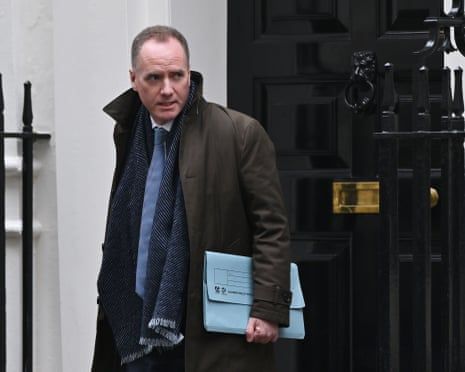
Richard Hughes has resigned as chair of the UK’s Office for Budget Responsibility (OBR) following a serious breach involving the premature leak of the government’s Autumn Budget, a move that has intensified scrutiny of Chancellor Rachel Reeves and the Treasury. The resignation occurred amid efforts to restore credibility to the nation’s fiscal watchdog.
Hughes’s departure comes after the OBR inadvertently released its Economic and Fiscal Outlook ahead of the official budget statement, undermining the integrity of the budget process. This “technical but serious error,” as described by Hughes, compromised the confidentiality of sensitive fiscal information and threatened public and parliamentary trust in the OBR’s independent economic forecasts.
The leak has placed Chancellor Rachel Reeves under heightened political pressure. As the government minister responsible for the Treasury, Reeves faces questions about oversight and control measures that failed to prevent the breach. Although Hughes’s resignation is seen as taking accountability for the lapse, the wider challenges remain for Reeves, who must rebuild confidence in fiscal governance and uphold the credibility of the government’s financial planning.
The OBR plays a vital role in the UK’s fiscal framework by providing impartial analysis and forecasts. Its responsibility is to ensure transparency and accuracy in government budgetary provisions. The premature disclosure damaged this reputation, leading to calls for comprehensive reforms and a search for a new chair to restore the institution’s standing.
Political implications have rippled across the government and opposition. Prime Minister Keir Starmer and Chancellor Reeves have both acknowledged the seriousness of this incident. Despite these acknowledgments, they have rejected accusations of deliberate misinformation or attempts to mislead the public. Opposition parties and some government members have expressed skepticism about the integrity of the budget process, pointing to the leak as indicative of broader systemic weaknesses.
In response, the OBR is implementing reforms recommended after investigations involving independent external experts. These measures aim to strengthen controls around sensitive fiscal data dissemination and prevent any recurrence. Still, the process of appointing a new chair and restoring public confidence in the OBR will be closely monitored and fraught with political sensitivities.
While Hughes’s resignation marks a step toward accountability, the incident leaves Chancellor Reeves and the Treasury facing ongoing challenges. The breach has underscored vulnerabilities in fiscal management frameworks at a time when trust and transparency are paramount for the government’s economic credibility. The coming months will be critical as reforms take shape and leadership transitions attempt to rehabilitate the Office for Budget Responsibility’s role in UK fiscal oversight.