

London, November 23, 2025
Princess Eugenie and the Princess of Wales have recently taken prominent public stands on children’s rights and human rights abuses related to forced labor in the counterfeit fashion industry, bringing urgent attention to these issues globally and within the UK.
Princess Eugenie’s Anti-Slavery Campaign
Princess Eugenie, co-founder of The Anti-Slavery Collective, launched the “Hidden Threads: Fake Fashion – A Human Rights Scandal” campaign to expose the exploitation behind counterfeit fashion. This initiative reveals how millions of people, including children, are subjected to forced labor and modern slavery linked to the production of fake fashion goods. The campaign was strategically timed to coincide with the United Nations General Assembly and New York Climate Week, aiming to raise consumer awareness about the ethical cost behind inexpensive replicas and drive systemic reform within the fashion industry.
The campaign highlights the covert connection between a popular consumer trend and serious human rights violations worldwide. Its launch by a member of the British royal family lends visibility and weight to a complex and underreported global issue.
The Princess of Wales Advocates for Children’s Rights
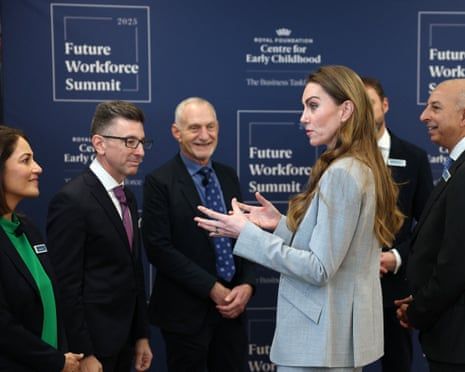
In a separate but equally impactful realm of social advocacy, the Princess of Wales recently delivered a public speech stressing the importance of safeguarding children’s rights. She called for nurturing family environments and greater respect for caregiving roles, framing these as foundational to a just society.
This appeal is viewed as striking given the current political and cultural climate in Britain, where such explicit royal commentary on social issues is rare and often perceived as radical. Journalist Gaby Hinsliff notes that the Princess’s call challenges the prevailing inertia around child welfare and family values in the UK, marking a notable shift in how royal influence is exercised in public discourse.
Broader Context and Significance
Together, these royal initiatives underscore a departure from the British monarchy’s traditionally apolitical stance. By addressing pressing social justice and human rights topics, Princess Eugenie and the Princess of Wales have implicitly confronted sensitive political and cultural dynamics within the UK.
The relevance of their advocacy extends beyond national boundaries, drawing global attention to children’s welfare and ethical consumerism amid widespread exploitation. Their roles amplify marginalized voices and issues that often remain peripheral in mainstream discussion.
Royal public leadership on these fronts remains exceptional, reflecting deeper social tensions in Britain concerning fundamental rights and institutional responsibility. The prominence of these campaigns illustrates how members of the royal family can influence awareness and potentially catalyze policy considerations on human rights and child protection.
As these efforts continue, they may prompt further engagement from business leaders, policymakers, and global citizens to address ongoing humanitarian challenges both domestically and internationally.