

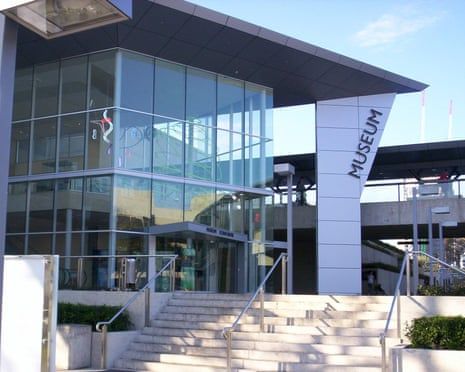
Brisbane, December 08, 2025
The Queensland Museum is facing accusations of misleading children and educators about climate change through its long-standing partnership with Shell’s QGC gas business. Critics claim the museum’s climate education materials, influenced by fossil fuel funding, distort the scientific reality of climate change, raising concerns about the integrity of public climate education in Queensland.
Background and Context
The Queensland Museum, a prominent scientific and cultural institution in Australia, has received $10.25 million from Shell’s QGC since 2015. The funds have supported exhibitions and educational programs, positioning the museum as a major regional resource for climate science knowledge.
Core Issue
The advocacy group Comms Declare has publicly criticized the museum for distributing Shell-branded teaching resources that allegedly misrepresent climate change causes to students as young as ten. Their report suggests these materials omit crucial scientific information and present a skewed narrative that protects fossil fuel corporate interests. Comms Declare describes this situation as “climate obstruction dressed up as education,” highlighting fears that such sponsorship compromises the objectivity and accuracy of climate education delivered by a respected public institution.
Museum’s Response
In response, Queensland Museum officials assert their full operational independence regarding research, exhibitions, and educational content. They deny any direct influence from Shell on scientific messaging and emphasize that partnerships, including with fossil fuel companies, serve as avenues to promote critical thinking and evidence-based learning among schoolchildren.
Impact and Broader Implications
This controversy exposes the delicate balance public institutions must maintain when funded by corporations with vested interests in climate-related industries. Queensland, particularly vulnerable to the effects of climate change through rising sea levels and increased extreme weather, is reliant on transparent and scientifically accurate education to prepare future generations.
Furthermore, while the museum has been a platform for climate activism and hosts climate protests highlighting environmental concerns, its financial ties to a major fossil fuel entity complicate its position. The tension underlines broader challenges about corporate sponsorship’s role in shaping public discourse on climate science and education.
The case of the Queensland Museum raises critical questions about safeguarding the integrity of climate education from potential corporate bias, especially in regions facing tangible climate threats where informed public awareness is vital.