

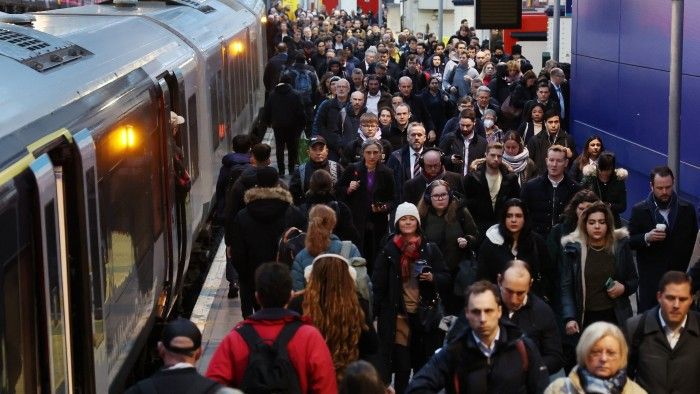
London, November 23, 2025
The UK government has confirmed a one-year freeze on rail fares across England, effective until March 2027, aiming to ease cost-of-living pressures for millions of passengers and commuters. This freeze will apply to all regulated fares, including season tickets and standard returns, on services operated by English train companies.
Government Confirms Rail Fare Freeze
The decision marks the first freeze of its kind in three decades, covering a broad spectrum of ticket types such as season tickets, peak and off-peak city returns, and most standard rail fares across England. The move is intended to provide immediate financial relief amid rising living costs and economic challenges.
Economic and Social Impact
Millions of rail users stand to benefit from the freeze, with potential savings exceeding £300 annually for passengers traveling on some of the most expensive routes. Transport advocacy groups and passenger organizations have welcomed the announcement, emphasizing that providing value for money remains a key priority for rail users.
Government Priorities and Reform Agenda
Chancellor Rachel Reeves outlined that the fare freeze is part of a wider strategy to reduce NHS waiting lists, diminish the national debt, and alleviate the overall cost of living. The government also links this policy to the broader plan of rebuilding a publicly owned “Great British Railways,” which will include modernization efforts such as digital ticketing systems—tap-in/tap-out and mobile tickets—and enhancements in service quality.
Officials further emphasize that keeping rail travel affordable encourages sustainable transportation choices, aligning with broader environmental objectives.
Wider Context and Related Measures
In London, a separate fare freeze for Transport for London (TfL) services remains in place until March 2025. This freeze includes pay-as-you-go fares on buses, the Tube, trams, the Docklands Light Railway, and most Overground and Elizabeth line services.
The fare freeze announcement follows political pressure from opposition parties and campaign groups urging the government to halt fare increases in light of high inflation and economic uncertainty. Without this intervention, fares were projected to increase by approximately 5.8% in the 2026–27 fiscal year, continuing a trend of steep increases since 2023.
Looking Ahead
The government expects this freeze to positively affect over one billion rail journeys annually in England. It will continue collaborating with the Rail Delivery Group and passenger watchdogs to ensure that ongoing reforms deliver tangible improvements in rail services.
This policy shift signals not only immediate financial benefits for commuters but also forms part of the government’s commitment to long-term rail sector reform and sustainable public transport development.