

London, November 23, 2025
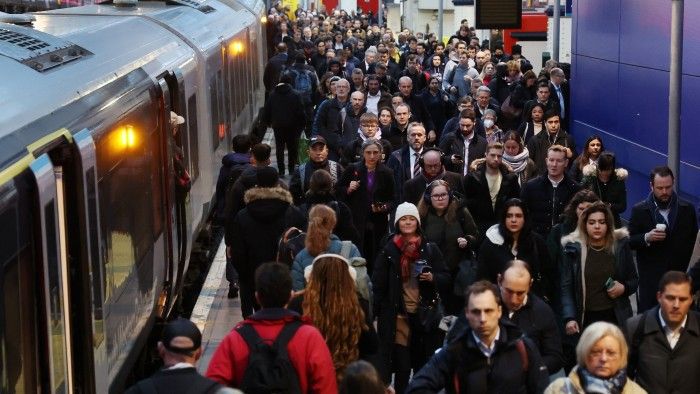
The UK government has announced a freeze on regulated rail fares in England until March 2027, marking the first such freeze in three decades. This measure aims to alleviate financial pressures on commuters amid an ongoing cost-of-living crisis and to promote public transport usage.
Fare Freeze Implementation and Scope
The government confirmed the freeze will apply to most regulated rail fares across England, excluding unregulated or premium tickets which may still see changes. This policy is designed to stabilize ticket prices and prevent the usual annual increases, which have recently averaged 5 to 6 percent.
Economic and Social Context
The decision comes in response to rising inflation and increased living costs affecting millions of households. By freezing fares, the government seeks to provide tangible financial relief to rail passengers, especially regular commuters who stand to save hundreds of pounds over the next two years.
Environmental and Policy Considerations
Beyond immediate economic relief, the fare freeze supports wider government objectives, including reducing carbon emissions by encouraging more affordable and accessible public transport. It also responds to political pressure from opposition parties and transport advocacy groups concerned that fare hikes would exacerbate the economic challenges faced by many.
Impact on London Transport Users
Transport for London (TfL) fares had already been frozen through March 2025, offering additional cost savings to residents and visitors in the capital. This extension of fare stability complements the nationwide freeze and is expected to further support urban commuters.
Limitations and Future Details
While most standard regulated fares will be frozen, the government has indicated that unregulated fares—such as some premium or flexible ticket options—may still be subject to adjustments. Additional implementation details and any exceptions will be outlined in forthcoming government communications.
This fare freeze represents a significant policy shift, reflecting a balancing act between economic support for households and broader goals of sustainable transport. Its effects will likely influence commuter behavior and transport sector dynamics in the coming years, as the government continues to navigate economic challenges alongside environmental commitments.