

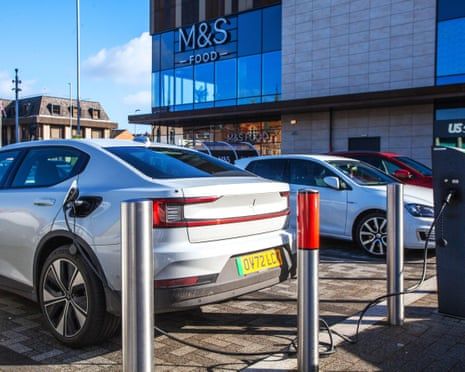
London, November 23, 2025
The UK government will allocate £1.5 billion in its upcoming Budget to extend electric vehicle (EV) subsidies and accelerate charging infrastructure rollout, as Chancellor Rachel Reeves aims to reassure consumers amid concerns over a proposed pay-per-mile tax set for 2028.
Subsidy Package Breakdown
The funding includes £1.3 billion dedicated to prolonging the Electric Car Grant scheme by one year, offering consumers up to £3,750 off the upfront cost of new EVs. Additionally, £200 million will be invested to expand public charging networks, targeting improved accessibility for drivers lacking off-street parking. This package responds to growing anxiety over the government’s plan to introduce a 3p-per-mile charge on electric vehicles starting in 2028.
Government Targets and Current Progress
The subsidy boost aligns with the UK’s ambitious climate goals for transport. By 2025, 28% of new car sales must be zero-emission, increasing to 80% by 2030, the same year when new petrol and diesel car sales will be banned. Since its inception, the Electric Car Grant has supported more than 35,000 drivers transitioning to EVs, demonstrating government efforts to lower barriers to adoption.
Industry and Public Reaction
While the extension of EV grants has been welcomed by industry stakeholders as a sign of ongoing governmental support, the proposed pay-per-mile tax has sparked controversy. Critics caution that such charges could undermine the incentives by increasing the cost of EV ownership and potentially deter prospective buyers.
Next Steps
Full details of the subsidy extension and pay-per-mile tax consultations will be disclosed in the forthcoming Budget announcement. Meanwhile, the government will conduct a review of rising public EV charging costs, with findings expected by autumn 2026, signalling continued scrutiny on measures to make EV ownership cost-effective and accessible.
The £1.5 billion subsidy injection marks a significant step in balancing policy mechanisms to sustain the transition to electric vehicles, yet the imminent pay-per-mile charge presents a pivotal issue that could reshape how EV drivers contribute to road usage funding.