

London, November 27, 2025
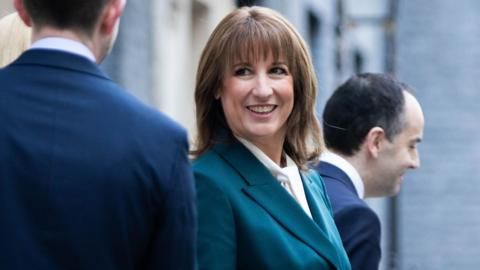
The UK government, led by Chancellor Rachel Reeves, is raising taxes through a series of measures including freezing income tax and National Insurance thresholds until 2030-31, introducing a new property tax on high-value homes, and limiting tax-free savings allowances as part of a broader effort to increase public revenue and fund public services.
Threshold Freeze and Fiscal Drag
Rachel Reeves’ key strategy to increase tax revenues relies on freezing the income tax and National Insurance thresholds for several years. This move means that as wages rise with inflation and economic growth, more taxpayers will be pushed into higher tax brackets without any explicit increase in tax rates, a phenomenon known as fiscal drag. Millions of workers and pensioners will effectively pay more tax on their income, even though headline tax rates remain unchanged.
New Property Tax on Luxury Homes
In addition to threshold freezes, the government has introduced a considerable new annual tax targeting properties valued over £2 million. This so-called “mansion tax” is intended to raise substantial revenue from wealthier homeowners by increasing council tax bills for owners of expensive properties. It forms part of policy measures aimed at wealth redistribution and additional funding sources beyond ordinary income taxes.
Reductions in Tax-Advantaged Savings and Pensions
Further government tax reforms include reducing the annual Individual Savings Account (ISA) allowance from £20,000 to £12,000 for individuals under 65. Alongside this, pension contribution limits via salary sacrifice will be capped at £2,000 without incurring National Insurance contributions. Together, these reforms aim to curtail tax advantages associated with wealth accumulation and are projected to generate approximately £4.7 billion in extra revenues.
Government’s Fiscal Position
Despite these tax increases, Reeves has explicitly ruled out raising headline income tax rates, positioning the threshold freeze as a less politically sensitive method to raise funds. She frames the tax strategy as necessary for ensuring “fair taxes, strong public services, and a stable economy,” emphasizing a steady fiscal approach without returning to austerity or excessive borrowing.
Broader Impact and Outlook
The combination of frozen thresholds, new property taxes, and limits on tax-favored savings is projected to raise £26 billion in additional government revenue by 2029-30. While designed to spread the tax burden incrementally, the policy will likely lead to higher taxes for broad segments of the population, particularly workers experiencing wage growth. This evolving tax landscape signals a strategic shift in UK fiscal policy towards sustained higher revenues to support public spending over the coming decade.