

London, December 13, 2025
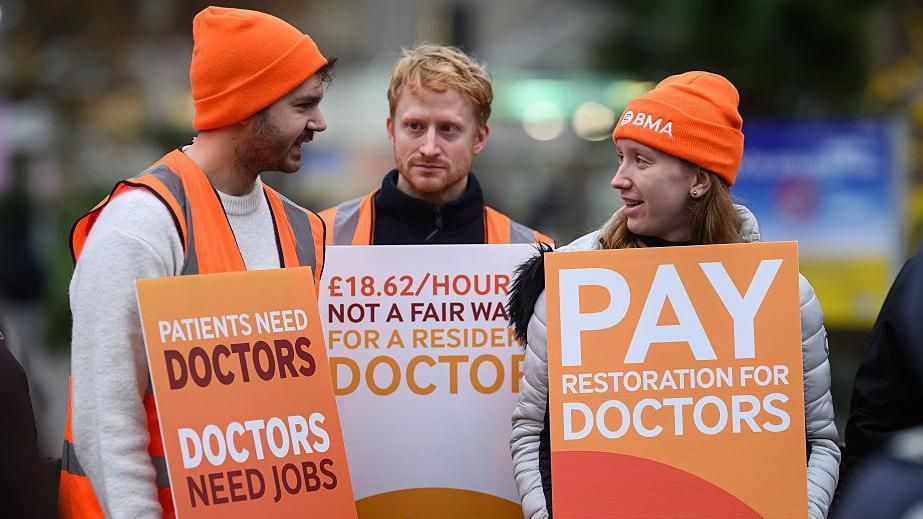
Resident doctors in England have announced a five-day strike starting December 17, 2025, over unresolved pay disputes and working conditions amidst a nationwide cost-of-living crisis. The British Medical Association (BMA) demands a pay uplift of at least 26% to restore pay eroded since 2008/9, rejecting government offers focusing on training reforms rather than immediate salary increases.
Planned Strike Dates and Actions
This December strike follows earlier walkouts scheduled for July 25–30 and November 14–19, 2025. The BMA has indicated that the current industrial action will proceed unless a snap poll of members, closing shortly after December 12, accepts the government’s latest non-pay deal. This deal includes 2,000 new training places, backdated exam fee coverage from April 2025, and career pathway reforms but no immediate pay rise. BMA leaders have criticized the offer as a “sell-out” for failing to address pay restoration.
Underlying Reasons for Strikes
The core grievance fueling the strikes is the long-term erosion of doctors’ pay in real terms. Despite a nominal 28.9% pay increase over three years, no rise has kept pace with inflation since 2008, resulting in substantial real-terms pay cuts against a backdrop of soaring living costs. The BMA reports that 79% of junior doctors contemplate leaving the NHS due to pay and working conditions. High levels of burnout and job insecurity—exacerbated by a lack of permanent jobs post-foundation training—compound dissatisfaction. Over 85% of doctors know colleagues who have emigrated for better pay abroad or left the profession entirely, risking further NHS staffing shortages.
Government vs. BMA: Conflicting Positions
The government maintains it has already offered a significant pay package and insists future improvements lie in expanding training capacity and reforming career structures rather than further immediate cash increases. Health Secretary Wes Streeting’s latest offer reiterates these non-pay measures aimed at workforce development. Conversely, the BMA emphasizes that restoring doctors’ real-terms pay is essential to stem the exodus and improve morale. The union is clear that while training reforms are welcome, they cannot substitute for fair remuneration now. The ongoing strikes reflect deep frustrations that the government is “not listening” to frontline concerns.
Impact on the NHS and Patients
Strike days result in substantial disturbances to routine healthcare services, including likely cancellation of some appointments. However, emergency and urgent care continue under senior doctor supervision. Patients are advised to check directly with their medical teams for information about potential disruption. The strikes underscore tensions between maintaining NHS service continuity and addressing workforce demands crucial to the long-term system sustainability.
Broader Context and Implications
The junior doctors’ industrial action highlights systemic challenges in NHS workforce management amid sustained financial constraints and inflationary pressures. Pay stagnation combined with workload pressures and job insecurity is driving critical healthcare staff away at a time when recruitment and retention are vital. For business leaders, policymakers, and global observers, these events underscore the broader implications of labor disputes on healthcare capacity, economic stability, and social welfare. The resolution of this dispute will be pivotal in shaping the future of England’s healthcare provision and labor relations.