

London, December 10, 2025
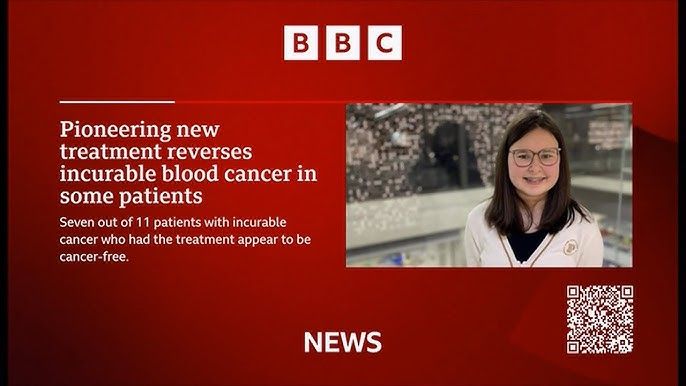
A pioneering gene-edited T-cell therapy named BE-CAR7 has demonstrated the ability to reverse previously incurable and aggressive T-cell acute lymphoblastic leukemia (T-ALL) in clinical trials conducted in London and elsewhere, achieving high remission rates and extending disease-free survival as of 2025.
Breakthrough Therapy and Its Impact
BE-CAR7 represents a significant advancement in blood cancer treatment by using gene editing to modify patients’ T-cells to specifically target and eliminate cancerous T-cells in T-ALL, historically considered an untreatable form of leukemia. This novel therapy was developed and administered at Great Ormond Street Hospital and King’s College Hospital in the UK.
Clinical Outcomes and Efficacy
In trials, BE-CAR7 achieved very deep remission in 82% of treated patients, including both children and adults. Following treatment, 63% of patients remained disease-free up to three years post-therapy. These results provide new hope given the previously dismal prognosis of T-ALL, with BE-CAR7 enabling many patients to undergo subsequent stem cell transplants to restore immune function.
Treatment Process and Side Effects
The treatment involves harvesting patients’ immune T-cells, gene-editing them to recognize leukemic T-cells, and reintroducing them to the body to eliminate cancer. Side effects included manageable low blood counts and cytokine release syndrome. The main risks were associated with infections occurring during immune system recovery after therapy.
Context within Blood Cancer Therapies
BE-CAR7’s success adds to a growing repertoire of advanced blood cancer treatments, including CAR T-cell therapies for lymphomas and targeted drug regimens. Collectively, these therapies are reshaping the outlook for aggressive and high-risk hematological malignancies, offering options where conventional chemotherapy and radiotherapy often failed.
The findings, published in the New England Journal of Medicine and presented at leading hematology conferences in 2025, mark a milestone in cancer immunotherapy and gene editing, offering informed global stakeholders a tangible example of translational medicine overcoming previously intractable diseases.