

New York, December 02, 2025
Pop singer Sabrina Carpenter and the publisher of Franklin the Turtle have publicly condemned the Trump administration for unauthorized use of their creative works to support political messaging, spotlighting ongoing conflicts over intellectual property misuse in U.S. political campaigns.
Unauthorized Use Sparks Public Outcry
Sabrina Carpenter objected after her song “Juno” was featured in a White House video montage depicting ICE raids. The administration used a manipulated lyric excerpt—“Have you ever tried this one? Bye-bye.”—as a caption for the clip without permission. Carpenter responded sharply on social media: “this video is evil and disgusting. Do not ever involve me or my music to benefit your inhumane agenda.”
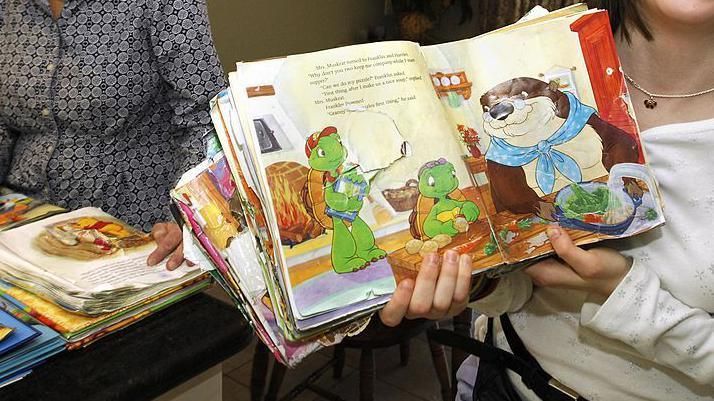
Similarly, Kids Can Press, publisher of the beloved children’s character Franklin the Turtle, condemned Defense Secretary Pete Hegseth’s social media post featuring a doctored image of Franklin aiming a bazooka at boats. The caption read “Franklin Targets Narco Terrorists.” The publisher issued a statement denouncing “any denigrating, violent, or unauthorized use of Franklin’s name or image, which directly contradicts these values.”
Context of Military Operations Underpinning the Controversy
These creative works were used amid ongoing military operations in the Caribbean Sea and eastern Pacific Ocean, where the Trump administration conducted strikes on small boats suspected of drug trafficking. These actions have resulted in over 80 fatalities since early September.
A Continuation of a Pattern of Disputes
This dispute adds to a long-standing pattern of artists publicly opposing the Trump administration’s unauthorized use of their works. High-profile musicians and bands such as ABBA, Bruce Springsteen, Olivia Rodrigo, Rihanna, Phil Collins, Pharrell, John Fogerty, and others have previously objected to their music being employed without approval in political contexts.
These cases underscore broader legal and ethical concerns about intellectual property rights and the politicization of creative content without artist consent. The repeated disputes illustrate ongoing tensions between political actors and the creative community over control and respect for artistic expression in public messaging.
The controversy also places renewed emphasis on the need for clear policies and respect for copyright to prevent exploitation that undermines both artistic integrity and public trust in communications from government entities.