

Paris, November 28, 2025
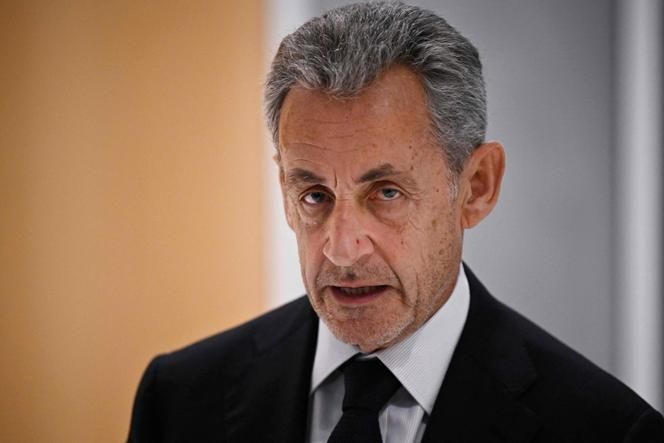
Former French President Nicolas Sarkozy’s conviction for illegal campaign financing was definitively upheld by France’s highest court on November 26, 2025, closing his final appeal in the “Bygmalion case” stemming from his 2012 presidential re-election bid.
Details of the Conviction
The Court of Cassation confirmed that Sarkozy’s 2012 campaign exceeded the legal spending limit by nearly double, amounting to approximately €43 million in expenditures compared to the allowed ceiling of €22.5 million. Prosecutors established that Sarkozy’s right-wing party collaborated with the public relations agency Bygmalion to conceal these excess costs through fraudulent billing practices. Although Sarkozy was not directly implicated in the double-billing tactics, he was held responsible as the candidate who benefited from the illicit financing.
This ruling imposes a one-year prison sentence on Sarkozy, with six months suspended. The suspended term allows for alternatives such as electronic monitoring instead of physical incarceration. Sarkozy has consistently denied any criminal responsibility, rejecting the charges as unfounded and labeling the accusations as lies.
Broader Legal Context
This verdict adds to a series of recent judicial setbacks for the ex-president. Weeks prior, Sarkozy was released after serving 20 days in custody related to another conviction involving his 2007 presidential campaign, where aides were found guilty of soliciting funds from the late Libyan leader Muammar Gaddafi. He remains under judicial supervision while contesting that conviction on appeal.
Further compounding his legal issues, Sarkozy exhausted his avenues for appeal in December 2024 after being convicted for attempting to influence a judge. He served that sentence under electronic monitoring until May 2025. These cumulative rulings underscore escalating legal repercussions for the 70-year-old former head of state.
Political Implications and Continued Influence
Despite facing multiple convictions and restrictions, Sarkozy retains considerable influence within France’s political right. His recent imprisonment period included visits from prominent figures such as Justice Minister Gérald Darmanin and even a meeting with President Emmanuel Macron, indicating the complicated intersection of his legal troubles and ongoing political relevance.
Legal conditions imposed since Sarkozy’s release prohibit meetings with government ministers or officials, yet he remains a significant voice in conservative circles. This juxtaposition reflects the sustained, if contentious, role he plays in national politics.
Looking Ahead
Nicolas Sarkozy has announced intentions to publish a book detailing his three-week prison experience, set for release in the coming month. The memoir is expected to offer his perspective on these turbulent years marked by multiple convictions and judicial proceedings.
As Sarkozy contends with the enduring impact of these legal outcomes, both his reputation and political legacy will continue to be shaped by these developments. His case remains emblematic of the broader scrutiny facing former and current political leaders regarding campaign financing transparency and judicial accountability in France.