

London, December 01, 2025
The Scottish Government has confirmed it will maintain current income tax rates and will not introduce new tax bands in its January 2025 budget, aiming to provide fiscal stability ahead of the 2026 Holyrood election and to support funding for public services and child poverty initiatives.
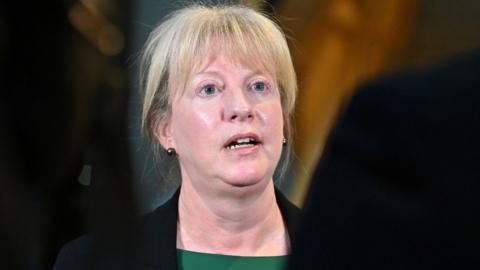
Finance Secretary Shona Robison announced that Scottish income tax rates will remain unchanged, with no new bands added for the 2025-26 tax year. However, adjustments to thresholds will occur: the Starter rate band will increase by 22.6%, and the Basic rate band by 6.6%, effectively raising the thresholds for the Basic and Intermediate rates by 3.5%. Conversely, the thresholds for the Higher, Advanced, and Top rates will be frozen through to the end of the current parliamentary term in 2026-27. The UK-wide Personal Allowance remains frozen at £12,570.
These measures reflect a balance between maintaining a progressive income tax system and providing certainty for taxpayers. Scotland’s devolved tax system, with its seven income tax bands, contrasts with the four-band system in the rest of the UK. This framework enables a more tailored approach to taxation. The decision to avoid raising rates or adding bands is designed to reduce financial strain on taxpayers amid ongoing economic pressures.
The tax changes will affect Scottish taxpayers unevenly. Over 34% of adults, approximately 1.6 million individuals, will remain unaffected as their income stays below the Personal Allowance. Furthermore, around 51% of taxpayers earning under £30,300 will continue to pay less income tax than their counterparts in the rest of the UK, underscoring the ongoing disparity in tax burdens.
The Scottish government anticipates raising an additional £616 million in revenue through these threshold adjustments. The funds are earmarked to support public services and social welfare programs, with a particular focus on reducing child poverty. This priority was reiterated by First Minister John Swinney, who emphasized that the government’s investment strategy centers on social initiatives rather than tax reductions.
Political reactions to the announcement highlight differing priorities within Scotland’s political landscape. Scottish Conservative leader Russell Findlay called for the government to use newly available funds, such as those unlocked by the UK government’s removal of the two-child benefit cap, to alleviate income tax burdens for Scottish taxpayers. The government, however, has prioritized social investments over tax cuts.
This tax policy update occurs against the backdrop of the upcoming 2026 Holyrood election, where the government evidently seeks to project fiscal responsibility alongside social commitment. Freezing higher tax rate thresholds and increasing only the lower bands’ thresholds signal an intent to shield higher earners from threshold inflation effects while providing relief for middle and lower income groups.
In maintaining the existing income tax structure and rates, the Scottish Government signals a strategic choice for stability and gradual fiscal progress. The policy aims to support key public services and targeted social programs while avoiding new tax increases that could exacerbate economic challenges for individuals and businesses.