

London, December 13, 2025
The 2025-2026 flu season is marked by severe outbreaks across the UK, Canada, and the US, driven by a dominant mismatched H3N2 subclade K strain and low vaccination levels from previous seasons, resulting in heightened hospitalizations and public health concerns.
Key Factors Behind the Severe Flu Season
Early surveillance reports indicate that the H3N2 subclade K variant circulating this winter differs significantly from the strains included in the current flu vaccine. This mismatch has reduced laboratory reactivity but has not increased the virus’s virulence or resistance to antiviral treatments. The early and sharp rise in flu cases observed in multiple countries underscores the accelerated spread of this strain.
Compounding the problem is a notable decrease in vaccination uptake in preceding seasons. For example, last year’s vaccination rates were historically low, with only 47% of adults and 52% of children vaccinated in the US, figures not seen in over a decade. Some US states reported coverage below 40%. This decline has left a larger susceptible population, facilitating a more rapid and expansive transmission of the virus.
Vaccine supply for the 2025-2026 season is projected to be sufficient, with 154 million doses available in the US. All vaccines offered are trivalent, covering three influenza strains, based on FDA recommendations informed by global surveillance data. Enhanced vaccine formulations tailored for older adults and individuals with egg allergies are also available.
Vaccine Effectiveness and Age-Specific Outcomes
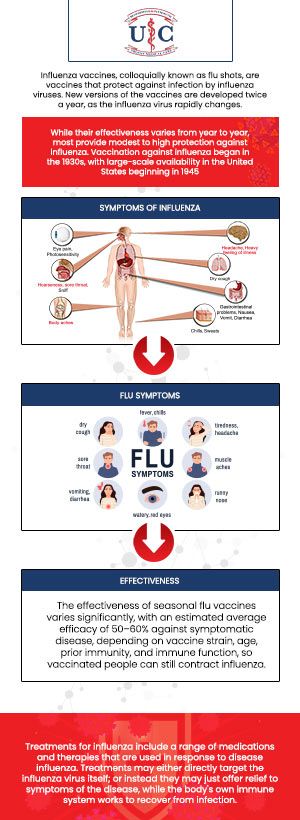
Preliminary effectiveness data suggests the vaccine’s protective benefits vary by age group and clinical outcome. Among children aged 2 to 17, vaccine effectiveness against hospitalization ranges between 70% and 75%. In adults aged 18 to 64, effectiveness is more moderate, around 45% to 55%. Overall effectiveness against general medical visits for flu typically falls between 40% and 60%, consistent with historical averages.
These estimates indicate that despite the antigenic mismatch, vaccination substantially reduces the risk of severe illness and hospitalization. Early data aligns with recent trends observed in European and Canadian surveillance, though vaccine effectiveness may decline as the season progresses.
Public Health Recommendations
Health authorities from multiple countries strongly advise that all individuals aged six months and older receive the influenza vaccine. Vaccination remains the most effective strategy to mitigate severe disease and lower hospitalization rates. Even with the current strain mismatch, evidence shows that increased vaccination coverage can significantly reduce healthcare burdens—for example, a 10% rise in adult vaccine uptake may reduce hospitalizations by 15% to 25%.
It is recommended that vaccination occur as soon as possible, including later in the season, to help dampen the peak of flu activity expected in January and February. Policymakers and healthcare leaders are urged to promote vaccination campaigns and facilitate access to flu vaccines to curb ongoing transmission.
The flu remains a public health challenge each year due to the virus’s antigenic variability. Continuous monitoring, vaccination adherence, and public education are essential components of effective influenza control during this high-severity season.