

London, December 06, 2025
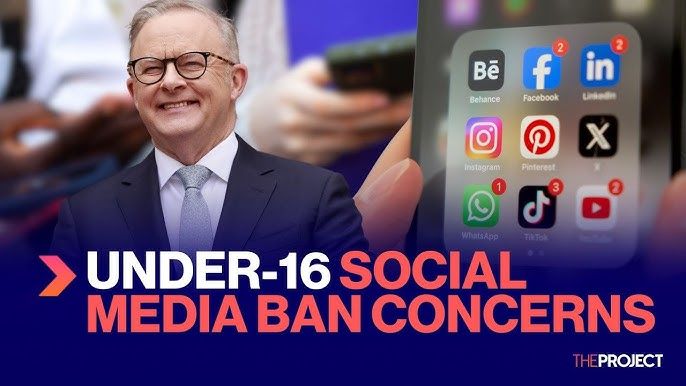
Australia will implement a groundbreaking social media age restriction law on 10 December 2025, requiring major platforms to prevent users under 16 from registering or maintaining accounts, aiming to protect children’s mental health and safety.
Details of the New Law
The legislation mandates a minimum age of 16 for accounts on designated social media platforms including Facebook, Instagram, TikTok, Snapchat, YouTube, X (Twitter), Reddit, Twitch, Threads, and Kick. Parental consent will no longer override this restriction. Platforms must take “reasonable steps” to verify users’ ages and enforce compliance or face fines up to $50 million. The law applies to platforms designed for online social interaction, allowing user interaction and content posting. Messaging apps and online gaming services are exempt, unless featuring strong social media functionalities.
Objectives Behind the Ban
The Australian government states the law aims to shield children under 16 from online harms like cyberbullying, exposure to harmful content, predators, and addictive design elements. This measure targets key developmental years to reduce rising rates of anxiety, depression, and negative body image linked to heavy social media use.
Challenges in Enforcement
Experts widely support the law’s intent but express skepticism about its practical effectiveness. Age verification is notoriously difficult without a national ID system, and current technologies are imperfect and raise privacy concerns. The law’s requirement for platforms to take “reasonable steps” lacks precise definition, risking inconsistent application.
Circumvention and Risks
History suggests young users often bypass age restrictions by providing false information, using older siblings’ accounts, or migrating to less-regulated platforms like messaging apps or gaming environments with social features. This may increase children’s exposure to unseen risks outside mainstream platforms, complicating parental and educational oversight.
Expert Perspectives on Social Media Access
Child rights organizations, including UNICEF Australia, highlight that social media also offers benefits such as educational resources, mental health support, community engagement, and identity exploration. Critics argue that a blanket ban removes these advantages without addressing systemic issues, such as harmful content moderation and algorithmic design.
Alternatives and Measurement of Impact
Many specialists advocate for enhancing platform safety via improved content moderation, algorithm transparency, digital literacy education, and reducing addictive features, rather than outright access bans. Australia is now a global test case; a national study spearheaded by The Kids Research Institute Australia, in partnership with the University of Western Australia and Edith Cowan University, will monitor how families experience the ban and its early effects on children’s wellbeing and online behaviors. The findings will inform international approaches to child online safety.
Implications for Families
Despite the legal ban, parents are encouraged to maintain open dialogues about online safety, apply parental controls, and actively monitor their children’s digital activity. The legislation does not eliminate risk but alters the environment in which minors access social media.
Assessment of Likely Outcomes
The restriction will probably reduce some under-16 presence on major platforms and compel companies to enhance age verification and safety mechanisms. However, widespread evasion and displacement to unregulated spaces remain significant hurdles. Fundamentally, the law does not resolve key design flaws that contribute to harmful experiences on social media.
Australia’s initiative represents a bold policy experiment with implications far beyond its borders. Its primary value may lie in catalyzing a worldwide conversation on child protection online and providing evidence-based insights to craft more nuanced, effective regulations in the future. Most experts agree that rather than solely restricting access, efforts should prioritize making social media safer for all users, particularly young people.